Shiatsu
A touch therapy from Japan rooted in the principles of Chinese medicine: gentle, deep pressure along the energy channels for deep relaxation and balance of body and mind.

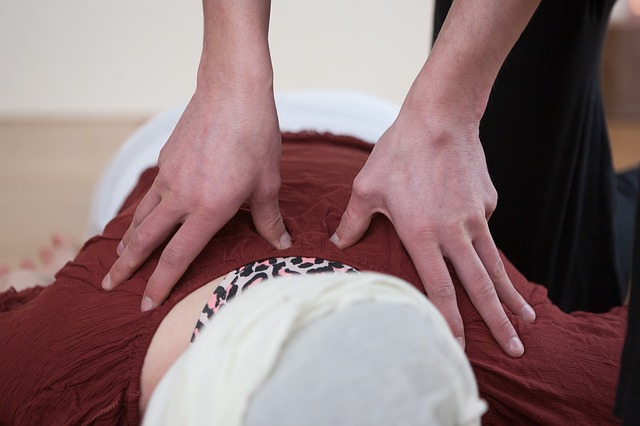
Shiatsu is a touch therapy that developed in Japan and is based on the principles of Chinese medicine. The word shiatsu means “finger pressure” in Japanese, and the treatment is indeed performed with gentle, deep pressure using the fingers, palms, elbows and sometimes the knees — along the meridians, the body’s energy channels.
The purpose of shiatsu is to restore the body to a state of balance and to stimulate its natural healing ability. Like acupuncture and Tuina, shiatsu also views the person as a single whole and seeks out the root of the problem, not just the symptom.
Diagnosis before treatment
The treatment is based on the four diagnostic principles of Eastern medicine: observation, listening, questioning and touch. At the start of the session, questions are asked about the state of health, lifestyle and emotional condition, and posture and movement, the tongue and pulse are examined. Afterward, a diagnosis is made through touch — palpating the abdomen and back areas — from which the channels and points to be treated are derived.
The course of treatment
Shiatsu treatment is performed fully clothed and comfortable, lying on a mat or treatment table, and sometimes sitting. The pressure begins at a superficial level and gradually deepens, combined with gentle stretches and joint mobilization. The intensity of the touch is adjusted for each patient, and you can ask at any stage for gentler or deeper touch.
Many patients describe a deep sense of calm already during the treatment. A state of relaxation allows the body to recover, and the feeling of quiet often remains for several days after the session.
Who is shiatsu suited for?
Shiatsu is a gentle treatment suited to almost everyone, as a one-off treatment or as part of an ongoing process. It is particularly helpful for:
- Tension, stress and emotional load, anxiety and difficulty relaxing
- Back pain, neck and shoulder pain and muscle stiffness
- Headaches and migraines
- Digestive problems and a feeling of heaviness
- Fatigue, lack of energy and sleep difficulties
- Gynecological issues and periods of hormonal change
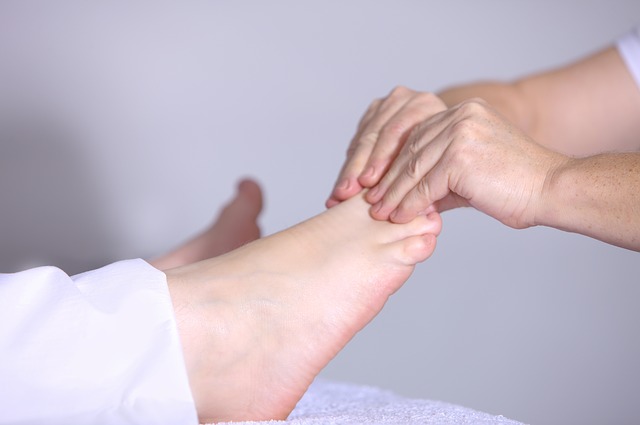
Beyond treating a specific issue, shiatsu is also a form of preventive medicine: getting to know your body better, identifying a buildup of tension early, and maintaining balance over time.
Shiatsu, Tuina or acupuncture?
Shiatsu and Tuina are two touch therapies based on the same principles. Shiatsu is more enveloping and soothing and focuses on overall balance, while Tuina is more focused and intensive and is especially suited to orthopedic issues. In the clinic, Shai chooses the combination that’s right for you — and sometimes combines touch and acupuncture in the same treatment.
Get in touch to check which treatment is right for you.
Chinese medicine is a complementary treatment and does not replace medical diagnosis or treatment.
More treatments
at Machat Ruach
Treatment can combine several methods to create a precise, sensitive and comprehensive response.
Acupuncture
Precise treatment with fine, sterile needles, tailored to the diagnosis and to each person.
02Tuina
Chinese medical massage combining pressure, mobilization and stretching to release strain and pain.
03Cupping
A traditional treatment tool for tight muscles, circulation and tension that has built up in the body.
04Herbal Medicine
Chinese medicine formulas chosen according to the individual picture and the goals of treatment.