Tuina Medical Massage – “Chinese Physical Therapy”
The medical massage of Chinese medicine – focused hands-on treatment for muscle and joint pain, given over clothing and combining pressure, mobilization and stretching.
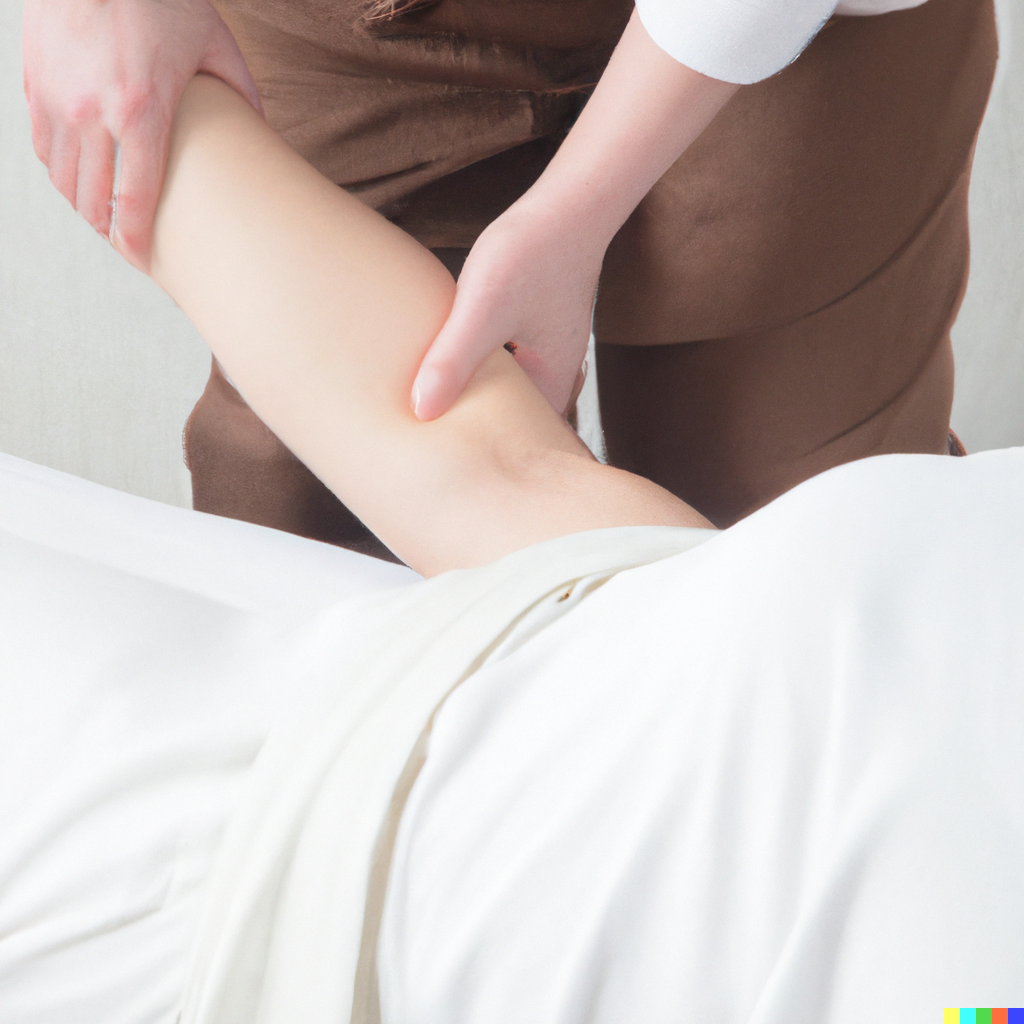
Tuina (Tui Na – “grasping and pushing” in Chinese) is the medical massage of Chinese medicine, and some call it “Chinese physiotherapy.” It is a systematic, hands-on treatment method already mentioned in the classic Yellow Emperor’s Inner Canon of Medicine, combining massage techniques, pressure on acupuncture points, stretches and joint mobilization.
Unlike a general relaxing massage, Tuina is a targeted treatment: it is based on both orthopedic diagnosis and diagnosis according to Chinese medicine, and treats both the painful area and the place from which the pain originates.
How Is a Tuina Treatment Performed?
Tuina is performed over clothing or through a sheet, without oils, either lying on a treatment table or sitting, depending on the problem. The treatment begins with broad, superficial techniques that warm and relax the tissue, and gradually moves to more focused techniques: pressing, rolling, stretching and gentle manipulations, aimed at releasing the muscle, restoring range of motion and regulating the function of the muscles and skeleton.
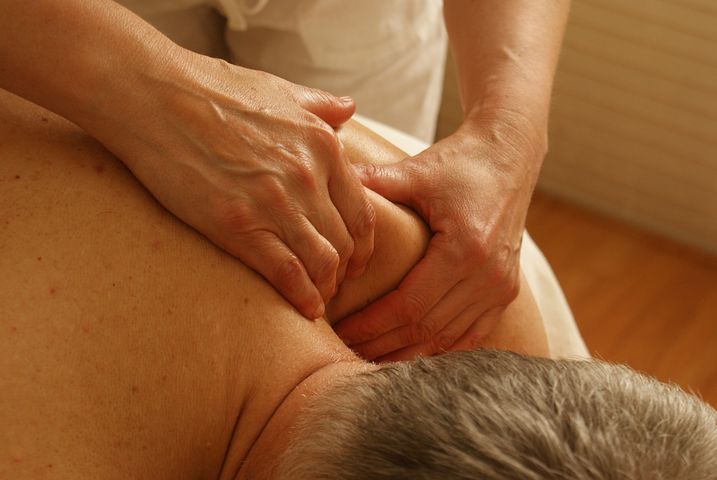
Using the principles of Chinese medicine – the energy channels and acupuncture points – Tuina also affects the flow of Qi and blood in the body. That’s why it is used not only for pain, but also for internal problems and stress-related conditions. Significant relief is often felt already during the treatment or by its end.
What Does Tuina Help With?
- Back and neck – back pain, disc bulges and herniations in the lower back and neck, sciatica and shoulder-blade pain.
- Shoulders and arms – frozen shoulder and shoulder pain, tennis elbow, carpal tunnel syndrome and wrist pain.
- Legs and joints – knee pain, heel spurs, recurrent ankle sprains and joint inflammation.
- Sports injuries – relieving strain, rehabilitation after injury and improving range of motion.
- Head and stress – headaches and migraines of neck origin, stress and fatigue.
- Internal systems – digestive disorders, constipation and stress-related sleep difficulties.
Tuina and Acupuncture – A Combination That Works
At the Machat Ruach clinic, Tuina is often combined with Chinese acupuncture. Acupuncture works on the pain, the inflammation and the flow of energy, while Tuina releases the muscles and restores movement. The combination makes it possible to treat both the pain and its source, with the goal of maintaining the improvement over time.
Also as a Preventive Treatment
Tuina is not intended only for painful conditions. Periodic treatments help prevent the buildup of tension and strain, maintain flexibility, and catch developing problems early – helping the body activate its own natural healing ability.
Shai Davids is certified in Tuina from the College of Complementary Medicine and has incorporated the method into his treatments for about 20 years. To schedule a treatment in Jerusalem or Ramat Gan.
Chinese medicine is a complementary treatment and does not replace medical diagnosis or treatment.
More treatments
at Machat Ruach
Treatment can combine several methods to create a precise, sensitive and comprehensive response.
Acupuncture
Precise treatment with fine, sterile needles, tailored to the diagnosis and to each person.
02Cupping
A traditional treatment tool for tight muscles, circulation and tension that has built up in the body.
03Shiatsu
Touch and pressure along the energy channels, for relaxation and balance of body and mind.
04Herbal Medicine
Chinese medicine formulas chosen according to the individual picture and the goals of treatment.