Acupuncture for Diabetes
Diabetes is a chronic condition in which the body struggles to properly produce insulin or to use it to move sugar into the cells. It can become a serious disease, often leading to disability and damage to organs, blood vessels and nerves. The rate of diabetes keeps rising alongside growing obesity, so it is worth […]

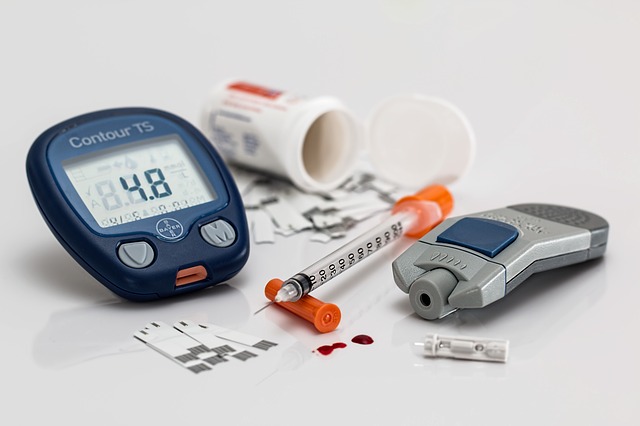
Diabetes is a chronic condition in which the body struggles to properly produce insulin or to use it to move sugar into the cells. It can become a serious disease, often leading to disability and damage to organs, blood vessels and nerves. The rate of diabetes keeps rising alongside growing obesity, so it is worth understanding the types of the disease, ways of coping with it, and how Chinese medicine may help support balance.
Three types of diabetes
There are three main types of diabetes, each with its own characteristics. Type 2 diabetes, often called adult-onset diabetes, accounts for about 90% of cases and occurs when the body cannot properly use the insulin it produces, or does not produce enough of it, to keep blood sugar levels balanced. The result is symptoms such as increased thirst, frequent urination, fatigue and persistent hunger. Most people with type 2 diabetes are overweight and over the age of 40, and the condition is closely linked to a diet high in sugar and fat.
Type 1 diabetes, also known as juvenile diabetes, is different in nature: the body’s immune system damages the insulin-producing cells in the pancreas, so the body cannot produce insulin at all. These patients require regular insulin injections and careful tracking of meal times, injections and dosages. Type 3, known as gestational diabetes, is usually a temporary condition that affects up to about 5% of pregnancies, but it raises the risk of diabetes for both mother and child.
Beyond the type of diabetes, poorly controlled blood sugar can lead to hyperglycemia, the main symptom of the disease, and over time to further complications, including:
- vision damage
- heart disease
- circulation problems
- kidney disease
- impaired sexual function
Diabetes and Chinese medicine
Chinese medicine identified excess blood sugar as a symptom of diabetes roughly thirteen hundred years ago. An experienced Chinese medicine practitioner could diagnose diabetes in a surprising way: placing a urine sample near an ant colony, and if the ants were drawn to it, understanding that there was excess sugar in the blood. Over the generations, Chinese practitioners identified more than twenty acupuncture points that can help ease symptoms and support blood sugar control. Modern Chinese medicine combines this ancient knowledge with Western scientific research, showing that acupuncture and herbal treatments can be quite effective as part of managing the condition.
Acupuncture for diabetes
Acupuncture has been found effective in helping control blood sugar levels, reducing excessive appetite and thirst, improving blood flow and circulation, and maintaining healthy nerve function. Several acupuncture points are known to help balance blood sugar, and treatment is tailored individually to each patient’s condition.
This treatment is especially suited to young people recently diagnosed with diabetes, since it helps them learn to control and regulate blood sugar early on. Acupuncture can also help regulate cholesterol levels, reducing the risk of cardiovascular complications associated with the disease. Treatment is usually given over the long term, at intervals of once or twice a week depending on blood sugar levels and symptom severity, and herbal remedies are sometimes added to improve results, based on each patient’s individual diagnosis.
Chinese herbal medicine for diabetes
Chinese medicine has used herbal remedies to treat diabetes for thousands of years. In recent decades Western science has been studying many of the herbs used in these traditional formulas, and studies have found that some of them affect insulin levels in the body. Other herbs have been used successfully for centuries to ease symptoms that accompany diabetes, as part of a comprehensive, individually tailored approach.
Combining Chinese and Western medicine
In China it is common to combine acupuncture and herbal medicine with Western drug treatment, including insulin injections, as part of a single treatment plan. Experience shows that combining Western medicine with Chinese medicine is more effective than either approach alone, allowing patients to benefit both from the precise control of Western medicine and from the overall balance that Chinese medicine offers.
Scheduling treatment
Chinese herbal medicine and acupuncture are not a substitute for conventional medical care, but they can help reduce medication dosages and their side effects, ease stress, encourage healthier habits and support an overall improvement in energy levels. Shai Davids, a Chinese medicine practitioner at Machat Ruach, with clinics in Jerusalem and Ramat Gan, is happy to answer questions and build a suitable treatment plan with you. Get in touch to schedule treatment.