Knee Pain
Most knee pain originates from the knee joint itself — from the cartilage and ligaments inside it — or from the muscles and tendons that cross it on the outside. Sometimes the pain actually comes from somewhere else entirely, such as the lumbar spine or the hip joint. This article explains where common knee pain […]

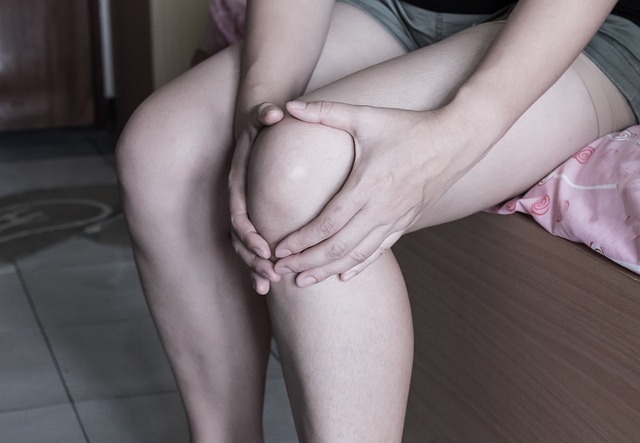
Most knee pain originates from the knee joint itself — from the cartilage and ligaments inside it — or from the muscles and tendons that cross it on the outside. Sometimes the pain actually comes from somewhere else entirely, such as the lumbar spine or the hip joint. This article explains where common knee pain comes from, how Chinese medicine understands it, and how acupuncture can help relieve it and treat its root cause.
Sources of Pain Inside the Knee Joint
Pain originating inside the knee joint is usually caused by damage to the ligaments and/or the cartilage that forms the joint and enables its movement. The most common injuries occur on the medial, inner side of the joint, and include the medial ligaments, the anterior and posterior cruciate ligaments, and the medial meniscus, the inner cartilage. Less common are injuries to the lateral ligaments on the outside, the cruciate ligaments, the lateral meniscus, or other cartilage structures of the joint.
Knee joint injuries can occur as a result of sudden trauma, and in older adults, also as a result of gradual degeneration of the knee and wear of the cartilage over time. Painful knees can also stem from injury to the muscles and tendons crossing the joint, usually on the lateral aspect and at the front of the knee around the kneecap. The most common causes of such injuries are repetitive strain, excessive or improper use of the joint, and shoes that are not suited to the foot and knee.
Knee Pain Through the Lens of Chinese Medicine
Chinese medicine attributes a different meaning to each location of knee pain, according to the meridian it passes through. Pain on the inner side of the knee often involves the yin meridians of the leg — kidney, liver and spleen. Pain on the outer side of the knee is usually linked to the stomach and gallbladder meridians, and pain at the back of the knee often involves the bladder and/or kidney meridian.
From the perspective of Chinese medicine, the main cause of acute pain and injury is stagnation of Qi, the energy, and blood in the affected meridians. When the problem is neglected over time, when the injury recurs, or when initial treatment is inadequate, the condition can progress and worsen. Identifying the location of the pain and the structures involved as precisely as possible is therefore an important condition for successful treatment.
The Body-Mind Connection
The connection between the mind and the knee is less immediate and direct than in other areas of the body, such as the neck, which often reacts immediately to stress and anger. Still, as with any chronic or severe injury that disables movement and routine, people may experience depression, frustration, sadness or worry. Chronic stress causes excess secretion of the hormone cortisol, which can damage muscles and connective tissue and negatively affect knee health. Prolonged fatigue, depression or shock can lead to slack posture and physical inactivity, which harms the knee even further.
In traditional Chinese medicine, painful and weak knees can be a symptom of a lack of kidney energy. Fear, despair, pessimism and depression are emotions often associated with kidney weakness. Emotional disharmony of anger and impatience, combined with worry and low self-esteem, can also show up as an imbalance in the quadriceps muscle, with the medial, inner side weak and the lateral, outer side painful and contracted.
Acupuncture Treatment for Knee Pain
Treating knee pain with acupuncture often involves combining it with gentle electro-stimulation at the affected areas. This combination has been shown to reduce pain and muscle tension, reduce swelling and inflammation, and increase the flexibility of soft tissue and range of motion. It also improves local blood flow and lymphatic drainage, contributing to faster recovery. Sometimes the acupuncture points used are actually far from the knee, such as at the elbow, the ankle or the shoulder — points that directly affect the pain in the knee joint.
Alongside acupuncture, treatment may include massage and the Gua Sha technique: gentle scraping of the skin and tissue that helps break down adhesions of tendons and ligaments formed as a result of inflammation. Patients are also given exercises to strengthen the quadriceps and stretch the hamstrings and glutes, which can help both in treating existing pain and in preventing re-injury. Several studies examining the effectiveness of acupuncture for knee pain found that it eased and significantly improved the pain; this is discussed, for example, in a study published on PubMed.
When Further Medical Evaluation Is Needed
- Sharp, sudden pain following trauma or a fall
- Significant swelling, local heat, or difficulty bearing weight on the leg
- Chronic pain that does not resolve and worsens over time, especially in older adults
- Pain that does not improve after several treatments and requires additional medical evaluation
Book a Treatment
There is no reason to keep living with pain and discomfort. At Machat Ruach, Shai Davids’s clinic for complementary medicine and acupuncture in Jerusalem and Ramat Gan, treatments are tailored personally to different types of problems, including knee pain, back pain, and neck and shoulder pain. For more details and to schedule a treatment, contact the clinic.