What Is Chinese Medicine?
Traditional Chinese Medicine (TCM) is a system of healing thousands of years old that views the body and mind as one connected whole. Alongside the organs and tissues we can see, an energetic system runs through the body, and keeping it in balance is essential for health and everyday vitality. An experienced Chinese medicine practitioner, […]
Traditional Chinese Medicine (TCM) is a system of healing thousands of years old that views the body and mind as one connected whole. Alongside the organs and tissues we can see, an energetic system runs through the body, and keeping it in balance is essential for health and everyday vitality. An experienced Chinese medicine practitioner, such as Shai Davids at the Machat Ruach clinics in Jerusalem and Ramat Gan, learns to identify the root of a problem rather than only its symptom, and chooses from a range of treatment tools the path that suits each patient.
The Philosophy and Theory Behind Chinese Medicine
Chinese medicine was born from a connection between philosophy, theory and clinical practice, so it cannot really be understood without knowing all three together. Its underlying philosophy sees the world, in all its complexity, as built from simple systems that live in harmony with one another, nourishing and building each other while also keeping each other in check through delicate control mechanisms. The theory describes the person as an inseparable part of the surrounding natural world: everything that exists out there also exists within us, including all the mechanisms of creation, regulation, and occasionally loss of control. From this understanding grew a clinical practice that connects body and mind, and sees every symptom as an expression of a broader process.
Body and Mind as One System
According to Chinese medicine, alongside the organs and tissues familiar from Western medicine, such as bones, muscles, tendons and skin, an energetic system runs through the body and is responsible for the functioning of body and mind alike. The body includes the physiology we know well: metabolism, hormonal activity, and the changes we go through from childhood to old age. The mind includes the full range of our emotions, such as joy, worry, fear, sadness and anger, from the simplest everyday level up to conditions defined as mental health disorders. When the energetic system is balanced, body and mind function in harmony; when it falls out of balance, symptoms appear on both levels.
The Treatment Tools of Chinese Medicine
Chinese medicine offers several complementary treatment tools, and an experienced practitioner chooses and combines them according to each patient’s condition.
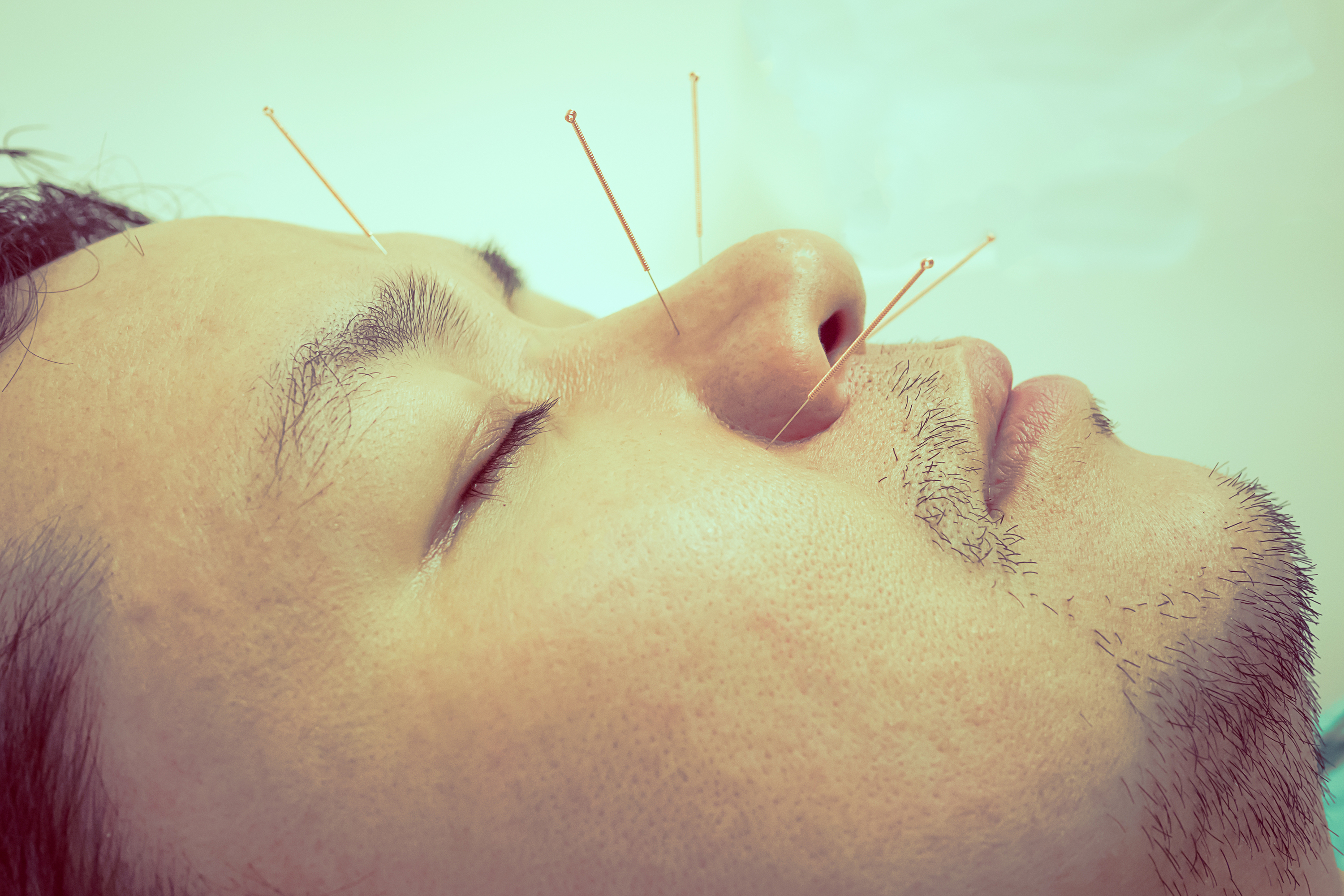
- Acupuncture – the insertion of thin, sterile needles into specific points, effective for musculoskeletal pain, neurological issues such as facial paralysis, sleep disorders, digestive and respiratory problems, and hormonal issues.
- Tuina – an ancient Chinese massage and manual technique, effective for herniated discs, neck and back pain, sciatica, joint pain and carpal tunnel syndrome.
- Chinese herbal medicine – thousands of years of accumulated knowledge in using herbs to treat digestive, respiratory, skin, hormonal and sleep issues.
- Cupping and bloodletting – complementary methods for releasing stagnation and energetically clearing the body.
Treating the Root, Not Only the Symptom
Combined together, these tools allow Chinese medicine to treat the person as a whole, addressing the root of the problem and not only its outward expression. The goal is to remove the factor that created the imbalance, while at the same time strengthening the body so the problem does not return. This approach strengthens the immune system, but also the patient’s emotional and mental resilience. It is a therapeutic medicine, but just as importantly, it is a preventive one.
Thousands of Years of Experience, a Living Practice
Chinese medicine is built on thousands of years of clinical experience, yet it continues to develop and renew itself alongside current knowledge. It places emphasis on the health of body and mind together, and offers a guiding path toward a balanced, healthy way of life. At the Machat Ruach clinics, Shai Davids accompanies each patient personally, matching the treatment tools to their specific condition and treatment goals.
Booking a Treatment
If you would like to get to know Chinese medicine up close and see how it can help you, you are welcome to get in touch and schedule a consultation at the Machat Ruach clinics in Jerusalem and Ramat Gan. Click here to book a treatment.