Acne (Breakouts)
"A condition properly diagnosed can be properly healed" Acne is one of the most common skin problems among teenagers and young adults, and for some people it continues well beyond adolescence. This page explains how both Western and Chinese medicine understand the causes of acne, what can be done to ease it, and how tailored […]

“A condition properly diagnosed can be properly healed”
Acne is one of the most common skin problems among teenagers and young adults, and for some people it continues well beyond adolescence. This page explains how both Western and Chinese medicine understand the causes of acne, what can be done to ease it, and how tailored treatment can support recovery.
A medical explanation of acne
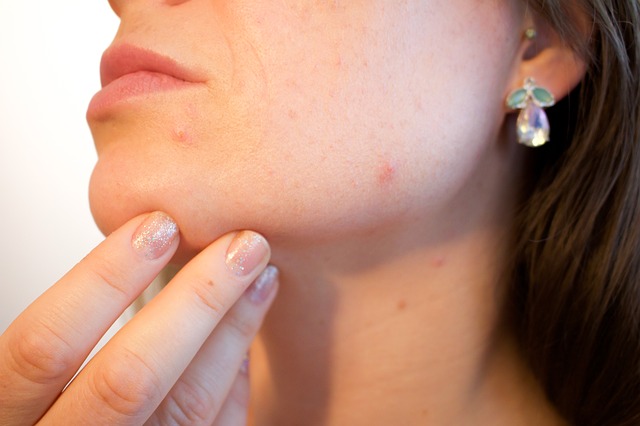
Acne is one of the most common complaints among young people, mainly during adolescence, though it sometimes continues beyond that stage. Studies show that boys tend to suffer from acne at higher rates than girls. Western medicine generally attributes acne to hormonal imbalance, which leads to excess oil production in the skin and clogged pores.
Coping with acne
Acne during adolescence usually clears up on its own over time, but for those with a significant problem, or when breakouts are severe and may leave scars, it is worth paying attention to diet. It is best to avoid deep-fried foods, spicy hot dishes such as chili and curry, and to cut back on alcohol and chocolate, since these can worsen the condition.
In severe cases of chronic acne, doctors sometimes prescribe antibiotics, but this treatment often comes with side effects, and over time it can even worsen the skin condition. Because of this, many patients look for complementary approaches that can help alongside conventional medical care, or instead of it in milder cases.
Beyond diet, a gentle and consistent skincare routine also helps ease the condition: cleansing the skin gently every day, avoiding picking at breakouts, and getting enough sleep can help prevent flare-ups and support the skin’s natural healing process.
Acne in Chinese medicine
Chinese medicine generally views acne as an expression of “damp heat,” created by foods that are hot and damp in nature, overeating, eating late at night, or an imbalanced digestive system. This means the spleen and stomach are not properly digesting and absorbing food, a state that creates a buildup of dampness in the body. When this combines with the “fiery” emotions typical of adolescence, the dampness turns hot, and the result shows up on the skin. At times acne can also be linked to lung function, which governs the skin according to Chinese medicine.
Treating acne with Chinese medicine
A Chinese medicine practitioner first examines how the spleen and stomach are functioning, and needles points meant to strengthen their role in converting food into energy and vital substances for the body. At the same time, treatment combines points that help clear toxins from the body, since Chinese medicine views the breakouts themselves as an expression of internal toxicity. Treatment also aims to calm the mind, strengthen lung function, which affects the skin, and clear excess dampness from the body. The effect of treatment is usually visible after several sessions, and improves gradually as the body regains balance.
Scheduling treatment
At Machat Ruach, the complementary medicine clinic, treatment is tailored individually to a wide range of conditions, including skin problems, chronic pain, sleep issues and hormonal imbalances. Shai Davids sees patients at clinics in Jerusalem and Ramat Gan, and builds a gradual treatment plan with each patient that combines acupuncture, and sometimes general dietary guidance, based on their individual diagnosis. Get in touch to schedule treatment.