Acupuncture for Herniated Disc: A Natural Path to Lasting Back Pain Relief
A herniated disc can affect every part of daily life, disrupting movement, sleep, mood, and sometimes even breathing when the pain is severe. Pain medication may help in the short term, but it rarely addresses the underlying structural imbalance causing the problem. Acupuncture and Chinese medicine offer a gentler, drug-free approach that works with the […]
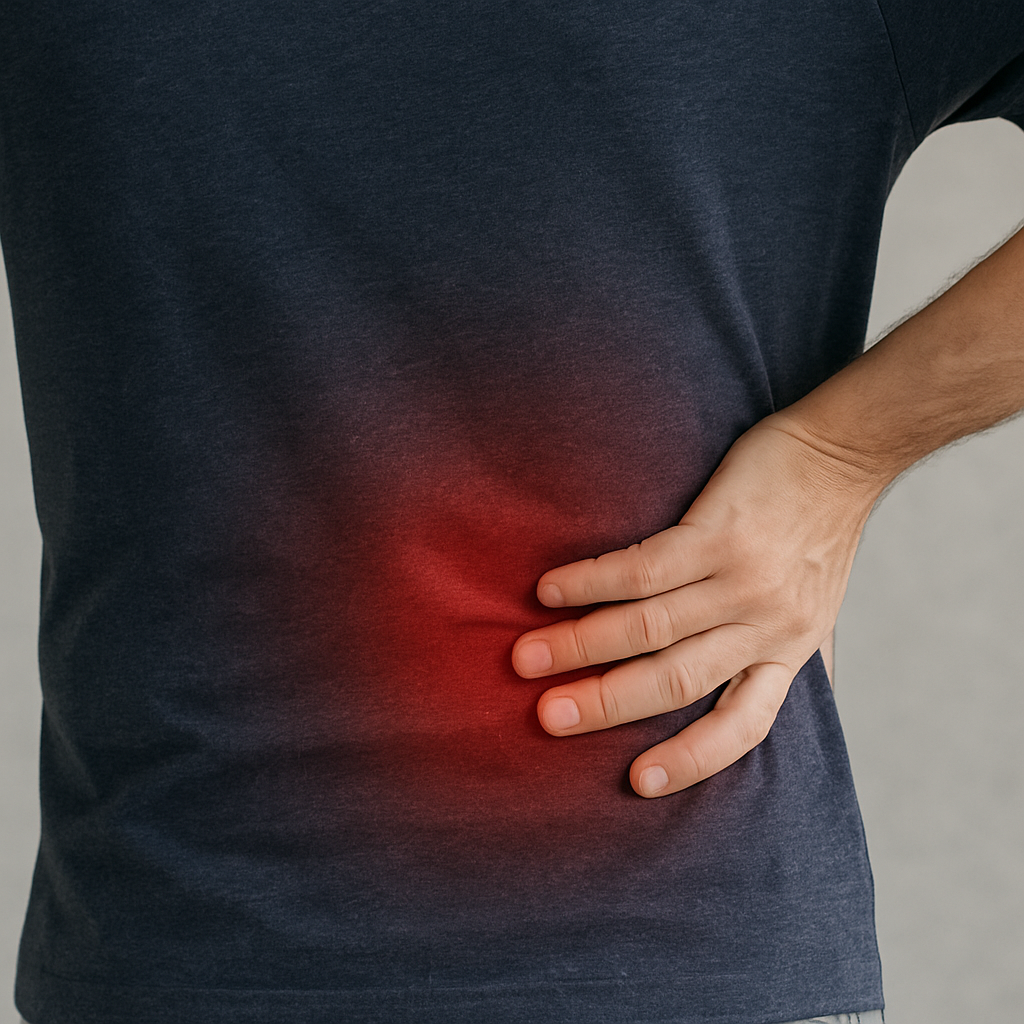
A herniated disc can affect every part of daily life, disrupting movement, sleep, mood, and sometimes even breathing when the pain is severe. Pain medication may help in the short term, but it rarely addresses the underlying structural imbalance causing the problem. Acupuncture and Chinese medicine offer a gentler, drug-free approach that works with the body to reduce pain and support real, lasting recovery.
What Is a Herniated Disc?
Also known as a slipped or ruptured disc, this condition occurs when the soft inner gel of a spinal disc pushes out through a tear in its tougher outer layer, irritating nearby nerves. As a result, people often feel sharp pain, numbness, weakness, or a radiating discomfort that spreads well beyond the original site of injury.
Depending on where along the spine the disc is affected, pain can travel down the arms, into the legs, or occasionally even toward the chest. The intensity and pattern of symptoms vary considerably from person to person, which is one reason a tailored approach to treatment matters so much.
Why Conventional Treatments Often Fall Short
Rest and medication can reduce symptoms in the short term, but they rarely correct the structural imbalance behind a herniated disc. Surgery is sometimes recommended for severe cases, yet it carries real risks and does not guarantee a successful outcome or a full return to normal function.
For these reasons, many people actively look for alternatives that are both effective and considerably less invasive than surgical intervention.
Acupuncture: A Precise, Gentle Approach
Rather than simply masking pain, acupuncture works to help the body reduce inflammation and restore better alignment around the affected area. By stimulating specific points along the body’s meridians, it improves nerve function and helps release chronic tension held in the surrounding muscles.
Treatment also promotes circulation around the spine and can ease pressure on the affected disc and nerves. Many patients notice meaningful relief within the first few sessions, though the overall course of treatment depends on the severity and history of the condition.
Tuina Massage: Release, Realign, Rebuild
Alongside acupuncture, Tuina massage targets the soft tissue surrounding the spine directly. Through rhythmic pressure and gentle mobilization, it loosens tight muscles and helps correct the postural patterns that often accompany a herniated disc.
Combined with guided stretching and breath awareness, Tuina supports long-term recovery and helps prevent future flare-ups. It is particularly useful for people with sedentary lifestyles or noticeable muscle imbalances contributing to their pain.
Treating the Root Cause, Not Just the Symptoms
One of the central advantages of Chinese medicine is its focus on the whole person rather than an isolated symptom. Instead of chasing pain wherever it appears, treatment explores the broader patterns that led to the disc’s breakdown in the first place.
Whether a herniated disc developed from prolonged stress, poor posture, an old injury, or simply the effects of age, the goal is to identify its true source and address it at that level, not just at the surface.
What to Expect in Treatment
Each session begins with a detailed diagnosis, followed by acupuncture and hands-on work tailored to the individual’s condition and history. Depending on what the patient needs, treatment may also include heat therapy (moxibustion), cupping, or gentle traction.
- Reduced pain and improved comfort in daily activities
- Increased mobility and range of motion over time
- Better sleep as pain and tension ease
- A gradual, sustainable improvement rather than a quick, temporary fix
Consistency plays an important role in this process, yet even weekly sessions can shift a patient’s condition significantly over a period of weeks to months.
You Don’t Have to Live with the Pain
Back pain is common, but that does not mean it should become a permanent part of life. With the right care, a herniated disc does not have to define daily routines or limit long-term plans.
Shai Davids treats patients dealing with herniated discs and related back pain at clinics in Jerusalem and Giv’atayim, combining acupuncture and Tuina into a coherent, natural approach to recovery.
Schedule a Treatment
If a herniated disc is affecting your daily life, natural, time-tested methods may offer the relief you have been looking for. Visit the contact page to schedule a consultation and take the first step toward lasting recovery.