Headache Treatment
Headaches are one of the most common complaints in the modern world, and many people experience them at least once a month. For some patients, the pain becomes a chronic, ongoing problem that affects concentration, work and overall quality of life, and it often appears alongside tension in the neck and upper back. Many who […]

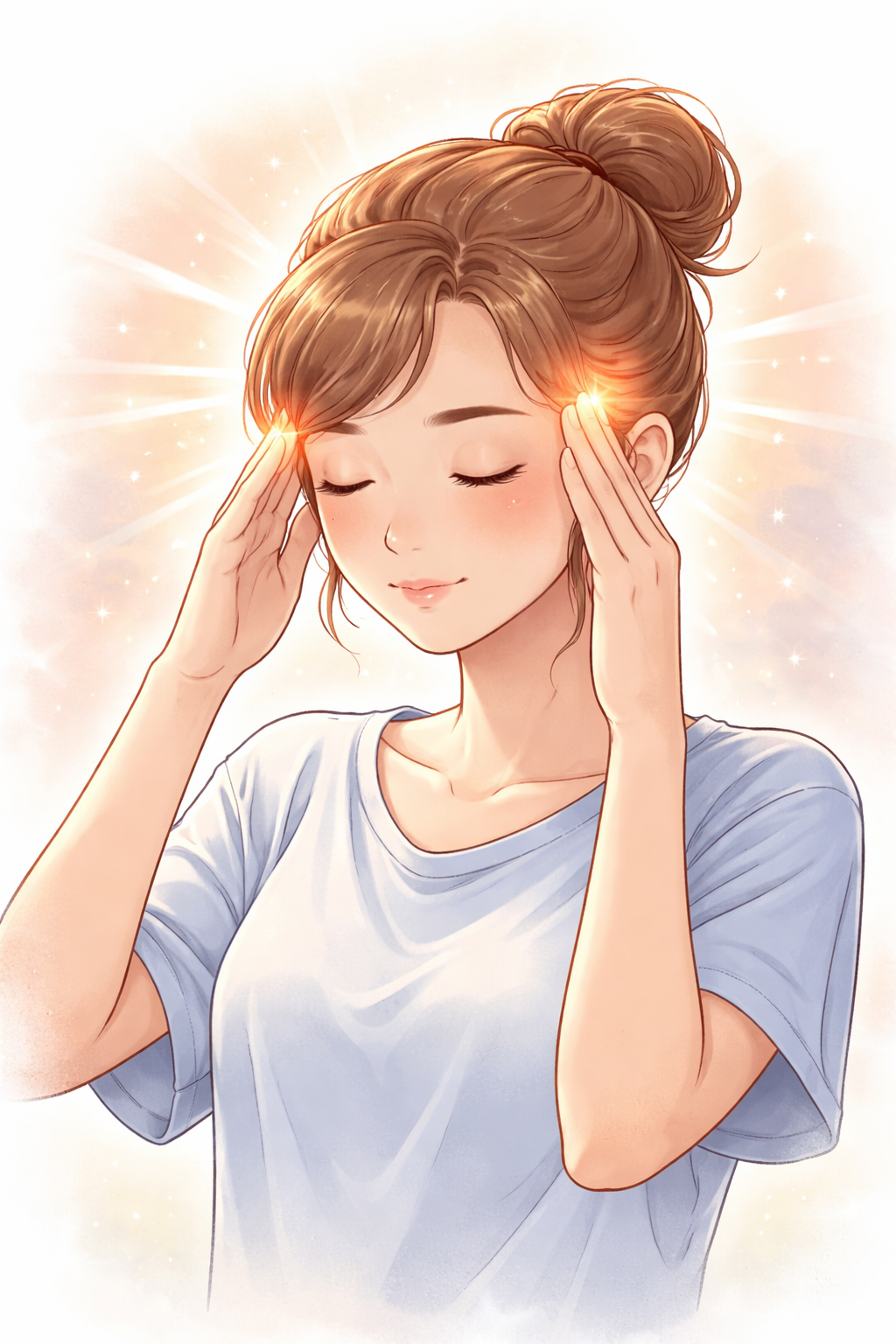
Headaches are one of the most common complaints in the modern world, and many people experience them at least once a month. For some patients, the pain becomes a chronic, ongoing problem that affects concentration, work and overall quality of life, and it often appears alongside tension in the neck and upper back. Many who come to the clinic are looking for a natural solution that does not rely on medication, one that treats the cause of the pain rather than just the symptom. This page explains the common types of headache, how stress relates to them, and how Chinese medicine can help alongside simple habits you can adopt at home.
Common Types of Headache
Headaches can take many different forms. Some are caused by tension in the neck muscles, while others stem from accumulated fatigue or prolonged psychological strain. Some people suffer from strong, recurring migraines, while others mainly feel pressure around the forehead or behind the eyes. At times the pain actually starts in the neck and climbs upward from there.
The Connection Between Stress and Headaches
When the body is under ongoing stress, the muscles tend to contract, and this tightening is felt especially in the neck and shoulders. This kind of muscular tension can radiate upward and cause a pressing, persistent headache. The phenomenon is especially common among people who work long hours at a computer, sitting for extended periods without enough movement breaks.
How Chinese Medicine Helps
Chinese medicine focuses on releasing blockages in the body, and acupuncture activates the body's own natural healing mechanisms. Treatment improves blood flow to the head and neck area while also reducing stress levels in the nervous system. Many patients report noticeable relief after just a few initial sessions, and acupuncture is sometimes combined with tuina massage to release tension in the neck and shoulders.
What You Can Do at Home Between Treatments
Alongside clinic treatment, a few simple habits can help reduce how often headaches occur and how intense they are. Drinking enough water, keeping a regular and sufficient sleep schedule, and cutting back on continuous screen time are important first steps. Sitting correctly at the computer, with proper back support and the screen at the right height, reduces the strain placed on the neck and shoulder muscles.
- Short movement breaks every hour during long work sessions
- Gentle stretches for the neck and shoulders
- Drinking enough water throughout the day
- Cutting back on caffeine in the afternoon hours
- Deep breathing exercises during stressful moments
These habits do not replace professional treatment, but they can support the process and help maintain results over time. Patients who combine clinic treatment with small changes to their daily routine often report a more significant drop in how often headaches occur.
Professional Treatment in Jerusalem and Ramat Gan
Shai Davids treats headaches using Chinese medicine, with his Jerusalem clinic welcoming patients from across the region and an additional clinic in Ramat Gan serving many patients there as well. Patients from both areas report significant improvement, since treatment is tailored individually to each patient and to their specific type of pain.
Why Choose Shai Davids
Shai Davids has been practicing Chinese medicine for more than twenty years, combining acupuncture, touch and thorough diagnosis of the source of the pain in his work. Many patients from Jerusalem and Ramat Gan have returned to a calm daily routine with his help, since treatment always focuses on the root of the problem rather than just the symptom. If you suffer from recurring headaches, it is worth getting in touch to schedule professional treatment.