Anxiety – How the Body Signals Overload and Finds Balance
Anxiety – how the body signals emotional overload, and how to return to calm and balance Many people live with anxiety without recognizing it. Instead of calling it anxiety, they feel a racing heart, tension in the body, non-stop thoughts, difficulty falling asleep, or a constant sense of pressure. In addition, many experience fatigue, muscle […]

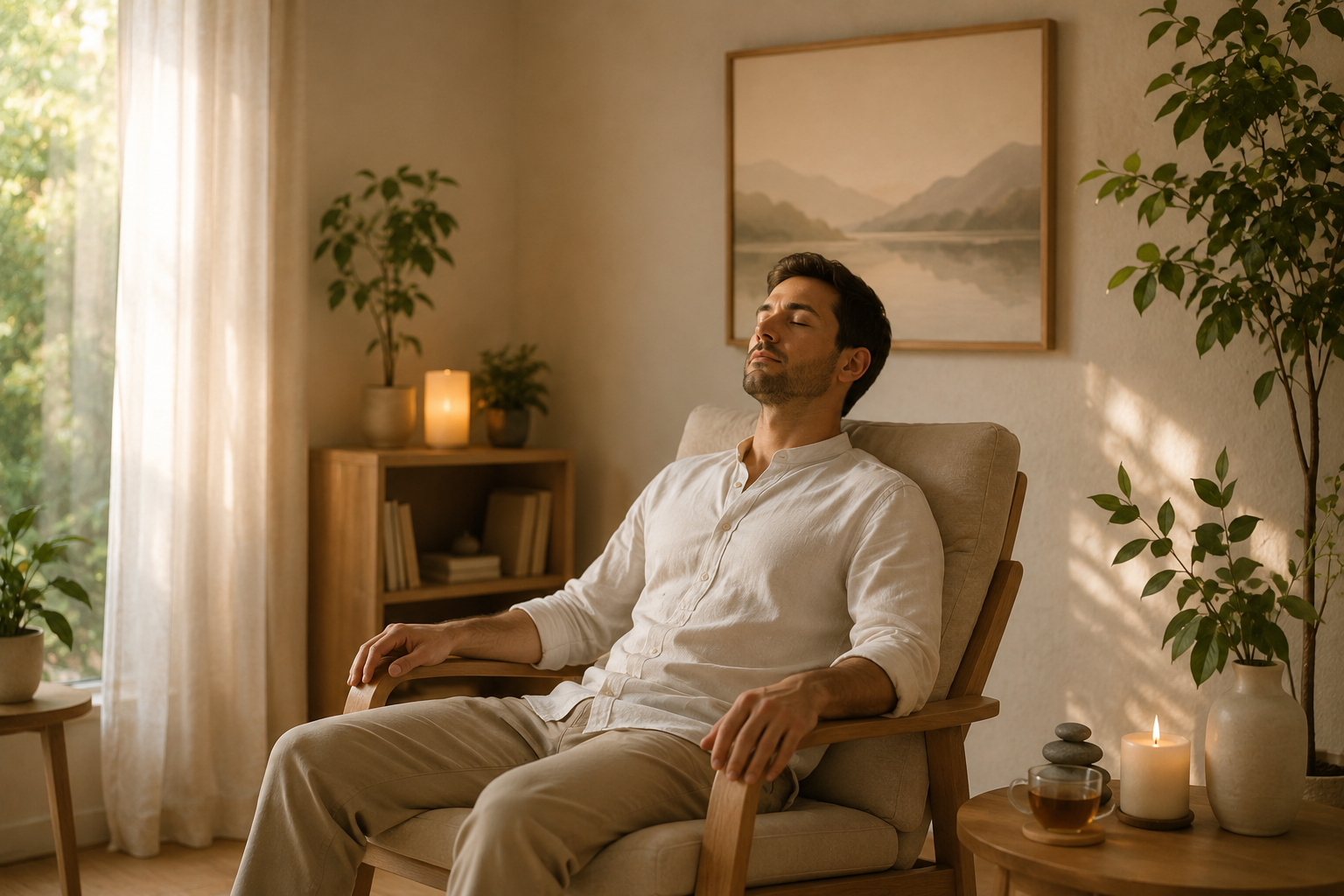
Many people live with anxiety without recognizing it. Instead of calling it anxiety, they feel a racing heart, tension in the body, non-stop thoughts, difficulty falling asleep, or a constant sense of pressure.
In addition, many experience fatigue, muscle pain, shortness of breath, and a sense of restlessness throughout the day. As a result, anxiety affects not only the emotional world but also the body itself.
In fact, the body is trying to signal that it’s dealing with ongoing overload, and that the nervous system needs genuine rest.
How does anxiety affect the body?
When a person lives under prolonged stress, the nervous system stays in a state of alertness. As a result, the body struggles to relax even during rest hours.
- The muscles contract
- Breathing becomes shallow
- Sleep is affected
- The heart rate rises
- The digestive system weakens
In addition, many people feel they can’t “switch off their mind,” even when exhausted.
Why does anxiety appear right now?
Sometimes a busy period, a major change, or prolonged emotional stress triggers anxiety. On the other hand, some people carry an internal burden for years — until the body simply can’t hold it anymore.
In Chinese medicine, the body and mind work together. Therefore, fears, worries, and emotional stress directly affect the flow of energy in the body and the internal sense of wellbeing.
How can natural treatment for anxiety help?
Chinese acupuncture to calm the nervous system
Chinese acupuncture calms the nervous system, reduces tension, and helps the body return to a sense of balance. In addition, many patients feel during treatment that their breathing opens up and their thoughts settle.
Tuina and releasing tension from the body
When the body holds tension for a long time, the muscles remain contracted. Tuina treatment releases tension, gets the body moving, and restores a sense of flow and softness.
Balancing daily habits
Beyond the treatment itself, it’s important to improve the quality of sleep, breathing, and nutrition. In addition, it helps to bring moments of pause and relaxation into the day, allowing the body to step out of survival mode.
Case study – anxiety and a racing heart at night
A 38-year-old patient came to the clinic due to a racing heart, difficulty falling asleep, and a feeling of pressure in the chest. Although his tests came back normal, his body remained on high alert.
After a series of acupuncture and Tuina treatments, he began sleeping better, felt calmer, and his heart rate gradually settled.
Case study – racing thoughts and mental exhaustion
A patient who suffered from non-stop thoughts, mental exhaustion, and difficulty resting felt that her body was working nonstop.
Gradually, the treatment helped her breathe more deeply, feel more stable, and return to a sense of inner calm.
When should you seek treatment for anxiety?
- When it’s hard to relax
- When sleep is affected
- When anxiety attacks occur
- When the body feels tense and tired
- When the thoughts won’t stop
The earlier treatment begins, the easier it is to help the nervous system return to balance.
Summary
Anxiety is not a sign of weakness. On the contrary — it signals that the body and mind are dealing with a prolonged burden.
When treated in a deep and gentle way, the body learns to feel safer, calmer, and more balanced.
Feel like your body just can’t relax?
It’s time to stop, breathe, and receive treatment that connects body and mind.
Schedule a treatment and start gradually returning to inner calm.