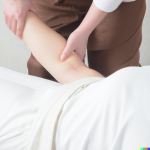
Pain and Tuina Treatment (Chinese Massage)
Tuina (or tui na) is a therapeutic orthopedic massage method related to Chinese medicine that has been used in China for more than 5,000 years. Defined as "the ancient healing art of fingers and strength," tui na (pronounced "twee nah") is already gaining international attention as a safe and effective treatment for a wide range […]
Tuina (or tui na) is a therapeutic orthopedic massage method related to Chinese medicine that has been used in China for more than 5,000 years.
Defined as “the ancient healing art of fingers and strength,” tui na (pronounced “twee nah”) is already gaining international attention as a safe and effective treatment for a wide range of conditions.
This massage treatment serves as a specialized therapeutic tool for people of all ages, from infancy to old age.
Tools used by the Tuina practitioner
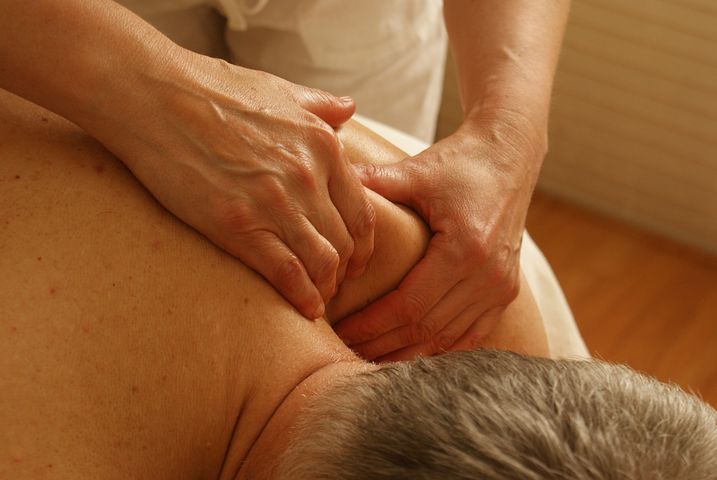
Practitioners use their fingers, hand, elbow, knee, or foot to apply pressure to a specific location on the body.
According to an article published by the National Center for Biotechnology Information, this method complements Chinese medicine and uses rhythmic massage techniques along the body’s various energy channels to create a harmonious flow of Qi throughout the body and bring it back into balance.
By applying pressure to the meridians, acupuncture points, and groups of muscles and nerves, blockages in the body are released, working deeply together with the body’s positive and vital energy.
Tuina treatment technique
Tuina treatment uses a variety of manual techniques combined with Chinese acupuncture, other manipulation techniques, and more.
To enhance the healing process, the practitioner may recommend the use of Chinese herbal medicine.
Many of the techniques used in this massage resemble those of Western massage, such as kneading, rubbing, vibration, tapping, friction, pulling, rolling the palm over areas of the body, percussion, and shaking.
In Tuina massage, the muscles and tendons are massaged by hand, and the technique of pressing acupuncture points directly affects the flow of Qi at various acupuncture points in the body, thereby easing the healing process. It clears blockages and keeps the energy moving through the meridians, as well as into the muscles.
Duration of Tuina treatment
An average Tuina massage session may last between 30 minutes and an hour, depending on the patient’s needs and condition.
Patients remain clothed, preferably in comfortable, lightweight clothing.
The Tuina massage method may include soft-tissue massage, manipulations, and pressure on acupuncture points combined with herbs and ointments, as well as, of course, warming of the painful areas.
The best part of the treatment is that it is relaxing while also strengthening the person’s energy.
Benefits of Tuina treatment
The main advantage of Tuina massage is that it focuses on a specific problem, whether it is acute or chronic pain related to the joints, muscles, or skeletal system.
This technique is very effective in reducing pain in areas such as the neck, shoulders, hips, back, arms, legs, and joint disorders such as in the ankle.
It is a highly effective treatment for arthritis, pain, sciatica, and muscle spasms.
Additional benefits of this massage include treating stress-related disorders such as insomnia, constipation, headaches, and other disorders related to the digestive, respiratory, and reproductive systems.
The greatest advantage of tui na is that it focuses on maintaining overall balance in physical and mental health. Anyone who wants to avoid the side effects of medication or chemical treatment can adopt this effective massage technique to relieve their pain.
Tuina massage treatment is now a more common treatment method due to its focus on specific problems rather than providing general treatment.
So if you think this treatment method is right for you, feel free to contact us and schedule an appointment.
Warm regards, Shai Davids, owner of the ‘Machat Ruach’ complementary medicine clinic and acupuncture in Jerusalem