Chinese Herbal Medicine
Chinese herbal formulas prepared individually for each patient according to the diagnosis, to strengthen the body and treat internal, hormonal and skin problems.

Herbal medicine is one of the pillars of Traditional Chinese Medicine (TCM). Its written history spans more than 2,500 years, and the accumulated knowledge – which herbs act on which organs, at what dosage and in what combination – has passed down from generation to generation and developed into what it is today.
Although acupuncture was the first Chinese method to be accepted in the West, Chinese herbal medicine has become one of the most sought-after complementary treatments in the world. Its main advantage: the herbs continue to work even between clinic visits.
A Personal Formula, Not “One Herb for One Problem”
In Chinese medicine, a single herb is almost never used on its own. The practitioner puts together a formula – a combination of several herbs working together in harmony – tailored to the patient’s individual picture. Each herb has a defined energetic quality: warming or cooling, moistening or drying, and it acts on particular organs. That’s why two people with the same complaint can receive completely different formulas.
The formula is put together following a thorough diagnosis: a structured intake covering all the body’s systems, tongue observation and pulse palpation. The goal is to restore the balance between Yin and Yang – the two complementary forces that Chinese medicine sees as the basis of health.
What Are the Formulas Made Of?
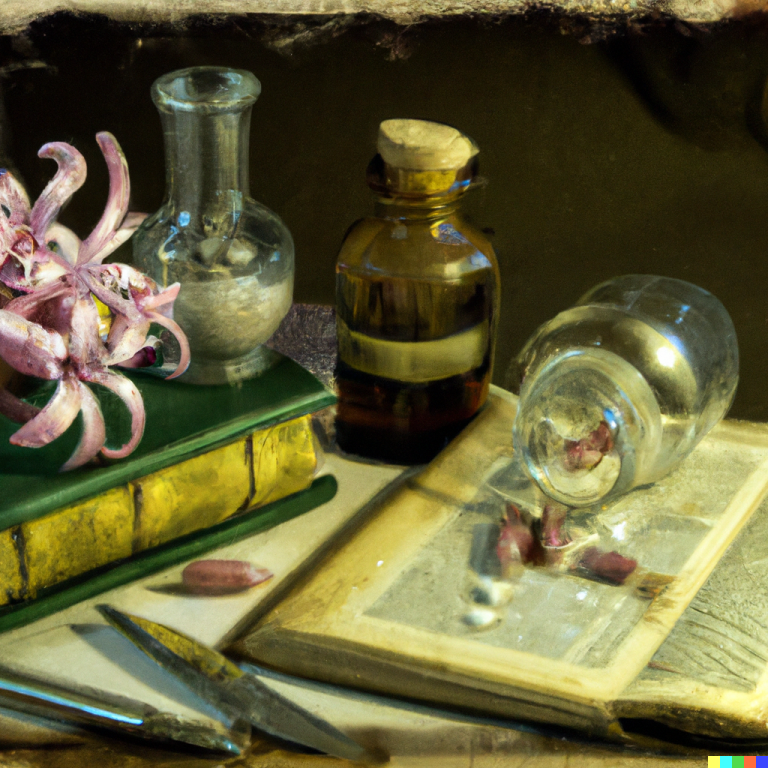
Most of the ingredients in the formulas are plant-based – roots, barks, seeds, flowers and leaves – and most are not sold in regular health food stores. The herbs are given as a powder, a liquid extract or in pill form, and the dosage and duration of use are determined individually and updated throughout the treatment.
What Can Chinese Herbal Medicine Help With?
- Acute illnesses – colds, flu, coughs and sore throats.
- The digestive system – abdominal pain, constipation, diarrhea, heartburn, and as a complementary treatment for inflammatory bowel diseases such as Crohn’s and colitis.
- Women’s health – irregular periods, menstrual pain, hormonal balance and fertility support.
- Skin and allergies – psoriasis, atopic dermatitis, acne and seasonal allergies.
- Energy and sleep – ongoing fatigue, sleep difficulties, mood swings and stress.
- General strengthening – boosting the immune system, recovery from illness and support in older age.
Safety and Guidance
Herbal medicine is a powerful treatment, so it’s important that it be given by a certified practitioner. Before starting treatment, it’s important to disclose any medications you’re taking, pregnancy or breastfeeding, and any underlying conditions, so that the formula can be tailored safely. Throughout the treatment, Shai monitors the effect and updates the composition as needed.
At the Machat Ruach clinic, herbal medicine is usually combined with acupuncture, for a fuller and more lasting result. Contact us to schedule a diagnosis and treatment.
Chinese medicine is a complementary treatment and does not replace medical diagnosis or treatment.
More treatments
at Machat Ruach
Treatment can combine several methods to create a precise, sensitive and comprehensive response.
Acupuncture
Precise treatment with fine, sterile needles, tailored to the diagnosis and to each person.
02Tuina
Chinese medical massage combining pressure, mobilization and stretching to release strain and pain.
03Cupping
A traditional treatment tool for tight muscles, circulation and tension that has built up in the body.
04Shiatsu
Touch and pressure along the energy channels, for relaxation and balance of body and mind.