Joint Pain Treatment
Joint pain is a common problem affecting many people, and it can appear in the knees, shoulders, hips or hands. Sometimes the pain is mild, and sometimes it significantly limits movement, to the point where simple actions become challenging and painful. Many people today look for a natural solution that does not rely on medication […]

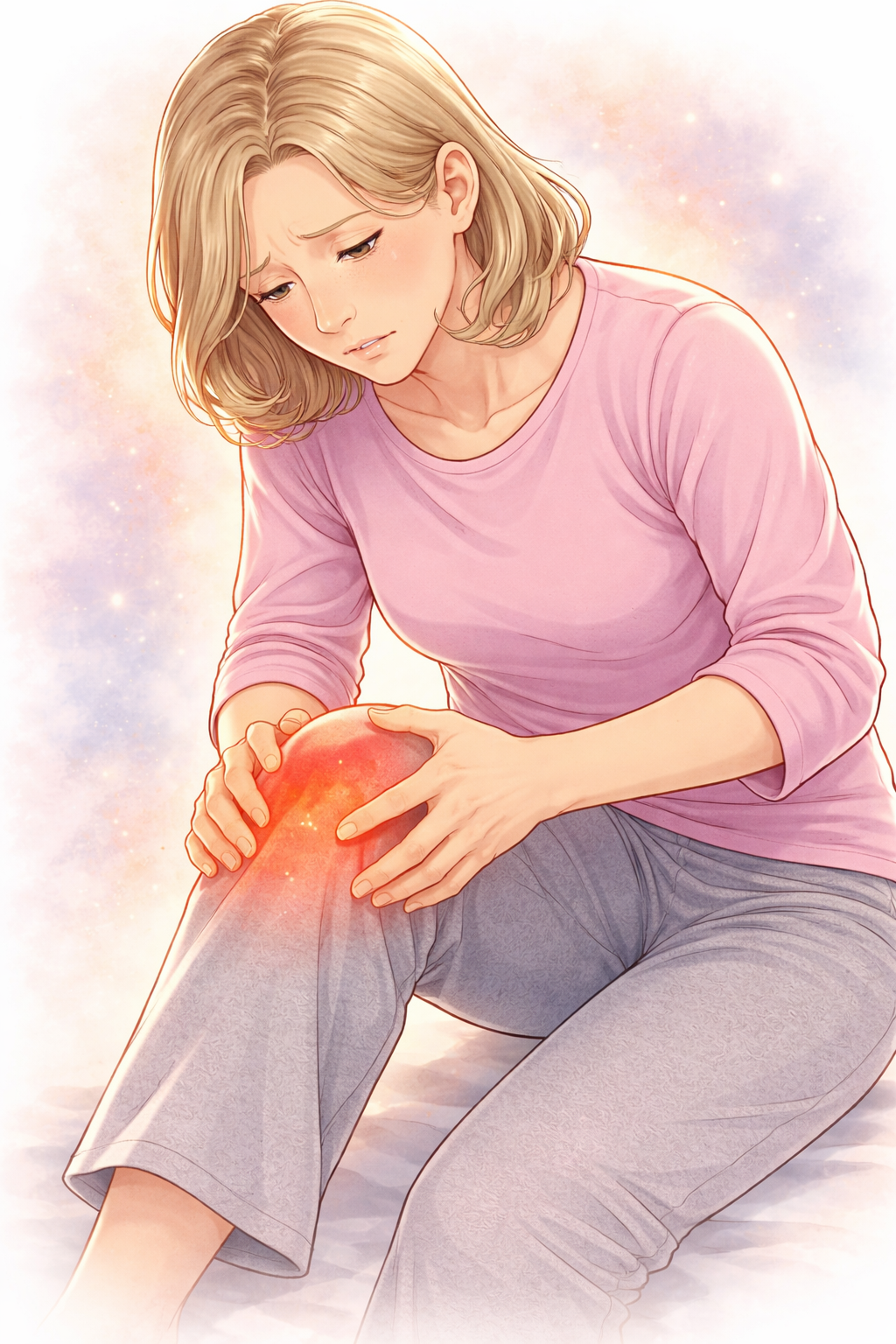
Joint pain is a common problem affecting many people, and it can appear in the knees, shoulders, hips or hands. Sometimes the pain is mild, and sometimes it significantly limits movement, to the point where simple actions become challenging and painful. Many people today look for a natural solution that does not rely on medication alone, and turn to Chinese medicine to address the root of the problem. I am Shai Davids, a Chinese medicine practitioner, and on this page I explain why joint pain develops and how it can be treated.
Why Joint Pain Develops
Joint pain can result from natural wear that accumulates over the years, as well as from excess strain on the joint that leads to inflammation and pain. Old injuries that were not properly treated can gradually develop into chronic pain, and insufficient movement weakens the muscles supporting the joint. Mental stress can also affect how the body experiences pain, and poor blood flow can slow the body’s natural healing process. Changes in weather, damp cold, or sitting in the same position for a long time can also temporarily worsen the sensation in the joint.
Common Symptoms
Pain during movement is usually the main and earliest sign patients report. Stiffness sometimes appears after prolonged rest, along with a sense of weakness or instability in the joint itself. In some cases local swelling appears in the painful area, and range of motion may gradually decrease as the condition persists. Among the symptoms patients most often describe during the diagnostic conversation are:
- Pain that worsens with movement or exertion
- Stiffness in the morning or after sitting for a long time
- A sense of weakness or instability in the joint
- Mild swelling or a local sensation of warmth in the area
How Chinese Medicine Helps
Chinese medicine focuses on releasing blockages in the body and restoring the flow of energy and blood. Acupuncture improves blood flow to the affected joint, helps reduce inflammation, and provides focused pain relief. Tuina is sometimes combined as well, releasing the tissues around the joint and contributing to greater flexibility. Combining these treatments helps the body return to balance, and many patients report significant relief in movement and pain.
The Importance of Movement and Rehabilitation
Proper, gradual movement strengthens the muscles supporting the joint, thereby reducing the strain placed on it. Combining treatment with tailored movement exercises improves results over time, and a proper rehabilitation process helps restore the body to full function. That is why treatment should not focus only on reducing pain, but also on building a long-term plan. Excessive rest can also be harmful, since a joint that does not move enough tends to weaken further, so the right balance between rest and movement is worked out together with the patient according to their condition.
Professional Treatment in Jerusalem and Ramat Gan
Shai Davids treats joint pain with a combined approach tailored personally to each patient. The clinic in Jerusalem welcomes patients from across the region, and an additional clinic operates in Ramat Gan. Patients from both cities report significant improvement, with the central goal always being pain reduction and long-term improvement in movement.
Why Choose Shai Davids
Shai Davids brings over twenty years of experience, combining acupuncture with precise diagnosis to get to the root of the problem. Many patients have returned to free, pain-free movement with his help, following a treatment plan tailored specifically to their condition. If you suffer from joint pain and need professional guidance, you are welcome to get in touch. Schedule a treatment or consultation.