Menstrual Pain Treatment
Menstrual pain is a common experience for many women, ranging from mild discomfort to strong pain that disrupts daily functioning. Period pain can affect work, studies and quality of life, and many women turn to painkillers to cope with it every month. However, a natural approach can also address the root of the problem, not […]

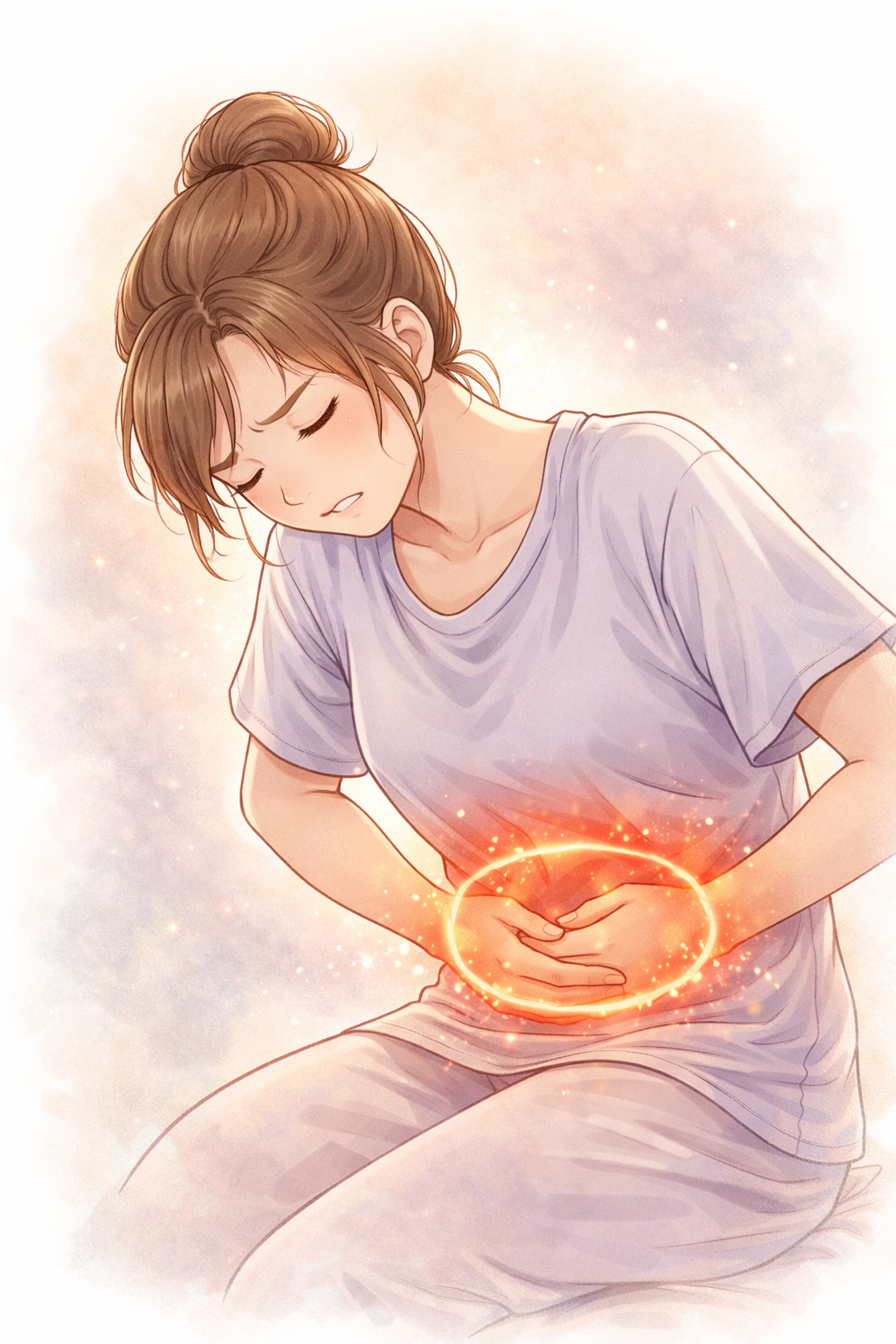
Menstrual pain is a common experience for many women, ranging from mild discomfort to strong pain that disrupts daily functioning. Period pain can affect work, studies and quality of life, and many women turn to painkillers to cope with it every month. However, a natural approach can also address the root of the problem, not only the symptom. Chinese medicine offers a deep and effective approach, guiding women at the clinics in Jerusalem and Ramat Gan.
Why menstrual pain occurs
Menstrual pain occurs when the uterus contracts during the period to help shed the uterine lining, and when the contraction is too strong, real pain appears. Weak blood flow in the pelvic area can make the situation worse, and so can emotional stress, which directly affects how intense the pain feels. Hormonal imbalance sometimes intensifies the symptoms, and everyday fatigue and stress add up and reinforce the overall sensation of pain. An unbalanced diet and limited physical activity throughout the month can also contribute to worse pain, since the body needs healthy circulation and consistent support to cope with the hormonal changes that occur in every cycle.
Common symptoms during the period
Menstrual pain is usually felt in the lower abdomen, and is often accompanied by lower back pain as well. Some women experience a feeling of heaviness or general weakness, while others suffer from headaches or noticeable fatigue during their period.
- Increased emotional sensitivity before and during the period.
- Difficulty performing ordinary daily activities on painful days.
- A feeling of bloating or discomfort in the abdominal area.
- Mood changes in the days before and during the period.
Symptoms vary from woman to woman, and even for the same woman they can change from one cycle to the next depending on stress levels, sleep and general lifestyle. When several symptoms appear together, they can add up and worsen the overall feeling during the days of the period.
How Chinese medicine helps
Chinese medicine aims to restore natural balance to the body, based on the understanding that pain is a sign of imbalance rather than an isolated occurrence. Acupuncture improves blood flow in the pelvic area, and this improved flow helps reduce tension in the uterus and supports hormonal balance. As a result the uterine muscles relax and the pain gradually decreases, and many women report calmer, lighter periods over time.
The importance of treating the root cause
Painkillers offer only temporary relief, and the pain often returns every month at the same intensity. Chinese medicine looks for the source of the imbalance in the body, rather than settling for treating the isolated symptom. As the body returns to balance the pain gradually decreases, and the period itself becomes calmer and more regular month after month.
Professional treatment in Jerusalem and Ramat Gan
Shai Davids treats menstrual pain using Chinese medicine, at a clinic in Jerusalem that welcomes patients from across the region and an additional clinic operating in Ramat Gan. Women from Jerusalem and Ramat Gan report significant improvement, with treatment personally tailored to each patient based on a thorough diagnosis. The main goal is to reduce pain and improve quality of life over time, not only during the treatment itself.
Booking a treatment
Shai Davids has practiced Chinese medicine for over twenty years, combining acupuncture with a deep diagnosis of the root of the problem. Many patients from Jerusalem and Ramat Gan have already found relief, with treatment focused on the root cause rather than the pain alone. If you suffer from menstrual pain, professional treatment can help — you can book an appointment through the contact page.