Essential Oil Therapy in Complementary Medicine
Modern medicine, admittedly, has come a long way over the many years in which it has developed. Yet, despite its modernity, innovation and up-to-date nature, there are quite a few points that remain unresolved. In these points, complementary medicine comes into play, and among the other tools it uses are essential oils. The versatile use […]
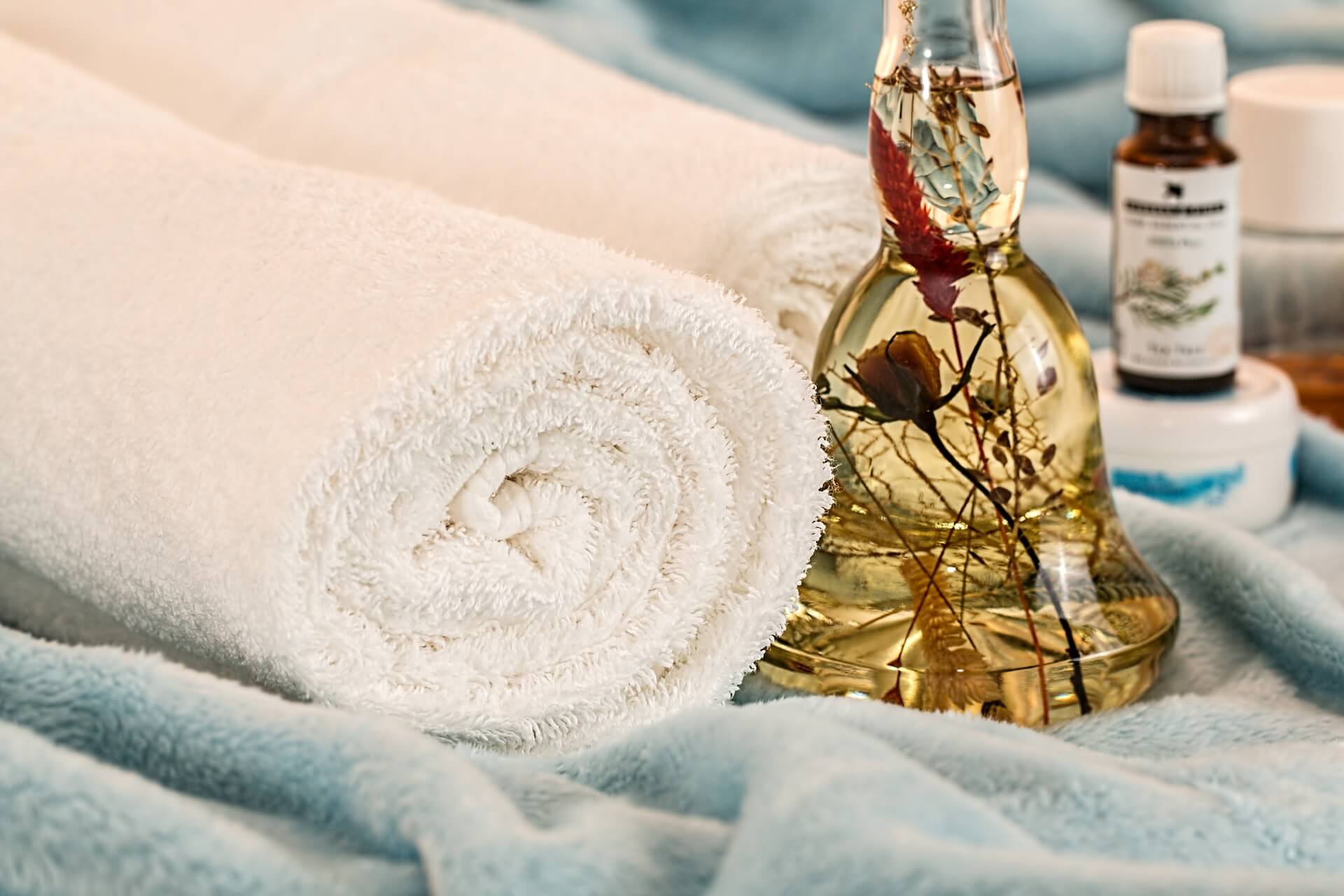
Modern medicine, admittedly, has come a long way over the many years in which it has developed. Yet, despite its modernity, innovation and up-to-date nature, there are quite a few points that remain unresolved. In these points, complementary medicine comes into play, and among the other tools it uses are essential oils. The versatile use of essential oils began many years ago in the ancient world, and today, essential oils are integrated into various fields of treatment and care, such as cosmetics and complementary therapies.
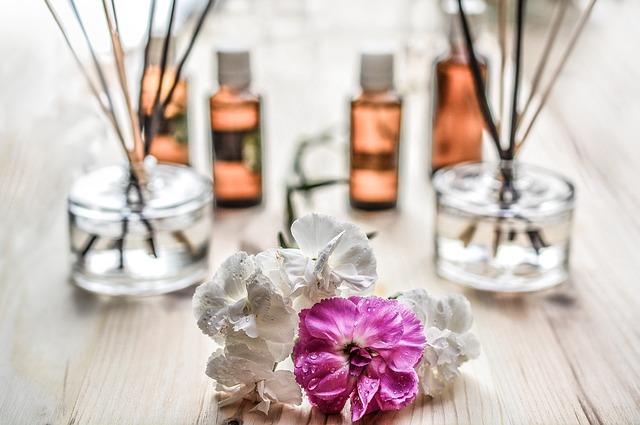
What are essential oils and what makes them unique?
Thanks to their beneficial effects on the skin, body and mind, essential oils have become almost an inseparable part of every area of our lives. Essential oils, which are highly concentrated fragrant extracts produced from various plant parts and flowers through special distillation processes, are considered highly concentrated, and therefore, in most cases, treatment requires diluting them using various means, such as blending them into a carrier oil before applying to the skin, diluting them in water before use in a diffuser, and so on.
Today, we know of close to 300 different types of oils, each with a use that fits into different methods of application — inhalation/diffusion, ingestion or massage — and treats different issues. In fact, there are cases where a specific oil treats several different issues, when the way it is used is changed. For example, lavender oil, considered one of the oils that doesn’t need to be diluted before contact with the skin, can calm the mind and emotional turmoil when used through diffusion or inhalation, whereas when applied to the skin, lavender essential oil heals wounds, fades scars and soothes various skin irritations such as insect bites, chafing, bruises and so on. Of course, care must be taken to ensure the appropriate quality of the oil for its intended purpose. For example — an oil intended for a diffuser will usually not be suitable for ingestion or application to the skin, whereas an oil intended for ingestion can be used for all the uses mentioned earlier.
How do essential oils “work” on the human body?
The principle found in complementary medicine views the person as a whole, made up of body, spirit and mind. Essential oils treat all three of these levels together. Even to the ancient users of essential oils, it was already understood that essential oils penetrate a person’s bloodstream even through external use — inhalation, application and massage — and they affect the person’s body and their overall feeling, according to the oil being used. Even with the additional external use of inhalation, scent molecules coming from the oil, or from the essential oil blend, penetrate into the person’s body, and here too, they affect the three factors that are the basis of complementary medicine — the body, the spirit and the mind. This is because it is known that essential oils have a psycho-emotional effect on a person.
In addition, the use of essential oils enhances and increases the effectiveness of every complementary medicine treatment technique, and therefore, in most types of treatment belonging to complementary medicine, essential oils are incorporated into the various methods of use. For example, during a massage, essential oils blended with carrier oils will be used, as mentioned — in order to dilute them, since they are too strong to be used on their own, without any dilution of any kind.
Bottom line
Essential oils are used in complementary medicine in a wide range of applications — in massage, ingestion, inhalation and so on. They treat a range of issues concerning the body and mind, and all of it — under the holistic approach — body, mind and spirit together.
At the Machat Ruach clinic — the place for complementary medicine — you can find a wide range of treatments such as acupuncture, cupping, shiatsu, Tuina, medicinal herbs, and more.