Chinese Acupuncture Treatment
Acupuncture is one of the oldest and best-known methods in Chinese medicine, and many people turn to it to improve their health naturally and without medication. The treatment works on the root of the problem rather than just a passing symptom, so it suits a wide range of conditions and complaints. This page explains how […]

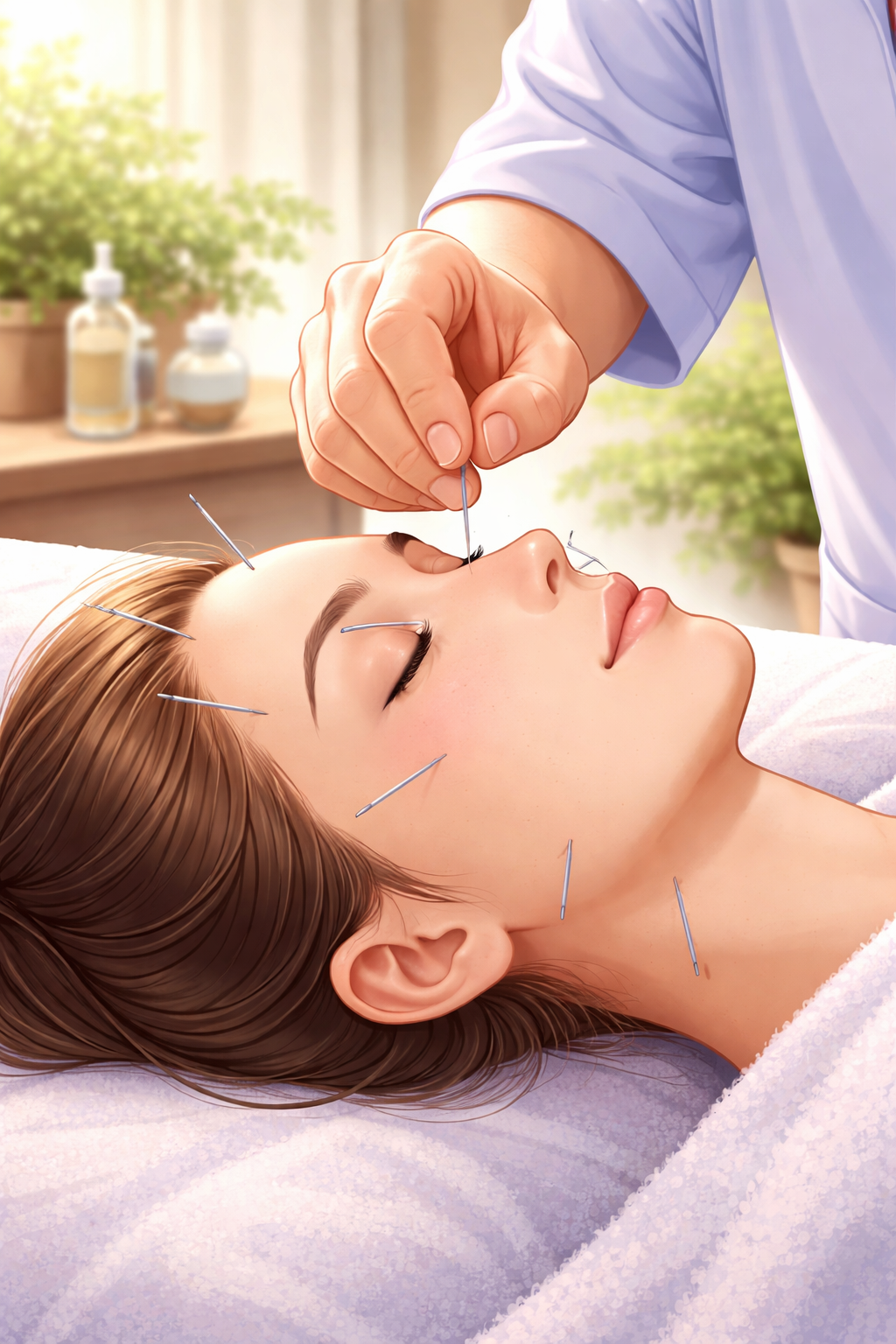
Acupuncture is one of the oldest and best-known methods in Chinese medicine, and many people turn to it to improve their health naturally and without medication. The treatment works on the root of the problem rather than just a passing symptom, so it suits a wide range of conditions and complaints. This page explains how acupuncture works, who it suits, and what to expect from a professional course of treatment.
What acupuncture is and how it works
Acupuncture is based on the principles of ancient Chinese medicine, which hold that the body’s health depends on the free, balanced flow of energy, Qi, along pathways known as meridians. The practitioner inserts thin, gentle needles at precise points on the body, an action that improves blood and energy flow and stimulates the body’s natural healing processes. At the same time, treatment helps calm the nervous system, which is why many patients feel relief from both emotional tension and physical symptoms after a session.
Who the treatment suits
Acupuncture suits people dealing with chronic pain, such as lower back pain, neck and shoulder pain or joint pain, as well as those coping with ongoing psychological stress. It is also used to improve sleep quality for people struggling with insomnia, and to strengthen the immune system in patients who experience recurring illness. Thanks to the individual tailoring of every treatment, this is a broad approach that can help almost any patient, according to their specific condition and needs.
The benefits of acupuncture
One of the main advantages of acupuncture is that it is a natural treatment, not based on medication and the side effects that can come with it. Because treatment targets the root of the problem rather than just silencing the symptom, it can often achieve stable, lasting results rather than only temporary relief. Many patients report noticeable improvement after just a few sessions, which makes acupuncture especially effective for those looking for a gentle yet comprehensive solution.
Acupuncture as part of preventive care
Beyond treating existing conditions, acupuncture also serves as a tool for maintaining the body’s balance over time. Treatment helps identify imbalances at an early stage, before they develop into a real problem, thereby helping to prevent future health issues. Regular sessions, even without an active complaint, strengthen the body and support a long-term approach to maintaining good health.
This kind of preventive approach suits periods of seasonal change, work-related strain, or transitions between life stages, when the body is more exposed to imbalance. Patients who come in for regular maintenance sessions, even when they feel well, often report steadier energy levels, better sleep, and greater resilience against seasonal illness.
More information about acupuncture
Anyone wishing to learn more about the scientific basis of this treatment method can review scientific information about acupuncture published by the National Center for Complementary and Integrative Health in the United States. This source provides a broader, well-grounded picture of how the treatment works and the areas of research currently active around it.
Scheduling treatment
Shai Davids brings over twenty years of experience in acupuncture treatment, offering professional, focused care at clinics in Jerusalem and Ramat Gan. Every treatment is tailored to the individual patient, based on a thorough diagnosis and an initial conversation about their condition and complaints. If you would like to improve your health through a natural, professional approach, get in touch to schedule a consultation.