Hypothyroidism: Symptoms, Diagnosis, and Treatment
Hypothyroidism, an underactive thyroid gland, is a condition in which the gland produces too little of the hormones T3 and T4, resulting in an overall slowdown of the body's metabolism. It is a relatively common hormonal disorder, especially among women, and it can develop gradually over years before being diagnosed. When the thyroid is not […]

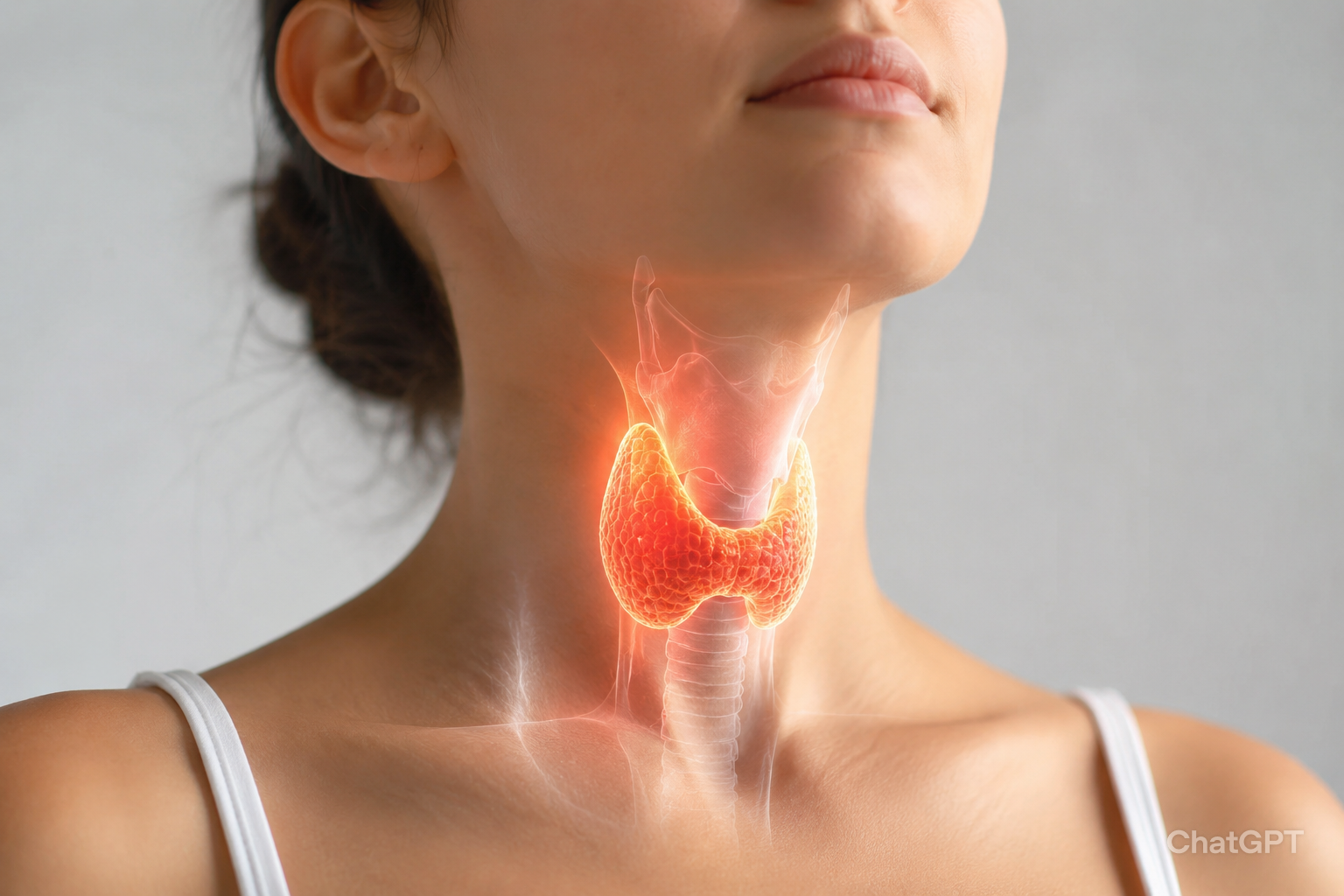
Hypothyroidism, an underactive thyroid gland, is a condition in which the gland produces too little of the hormones T3 and T4, resulting in an overall slowdown of the body’s metabolism. It is a relatively common hormonal disorder, especially among women, and it can develop gradually over years before being diagnosed. When the thyroid is not functioning optimally, the whole body enters a kind of “energy-saving mode,” expressed as fatigue, reduced concentration and changes in mood.
The Thyroid’s Role in the Body
The thyroid gland is responsible for regulating many vital systems in the body, so a decline in its activity affects almost every system.
- Basal metabolism
- Maintaining body temperature
- Daily energy levels
- Brain function and concentration
- Emotional balance and the nervous system
Main Symptoms of Hypothyroidism
The symptoms of an underactive thyroid usually appear gradually, so they often go unrecognized at first. Chronic fatigue and low energy, weight gain without any change in diet, and increased sensitivity to cold are among the most common symptoms. Alongside these, hair loss, dry and brittle skin, constipation, low mood or depressed feelings, and difficulty concentrating, sometimes described as “brain fog,” are also common.
Key Causes
The most common cause of hypothyroidism is Hashimoto’s disease, an autoimmune condition in which the immune system mistakenly attacks the thyroid gland itself. Alongside this, chronic stress, nutritional deficiencies such as selenium and iodine, hormonal changes after childbirth and genetic predisposition can all contribute to the condition developing. Often it is a combination of several factors rather than a single cause.
Medical Diagnosis and Conventional Treatment
Diagnosis is done through blood tests checking TSH, the main marker of thyroid function, alongside Free T4 and Free T3 levels and Anti-TPO antibodies to identify an autoimmune process. In hypothyroidism, TSH is usually elevated while T4 is low. The standard treatment in Western medicine is a synthetic hormone, levothyroxine, which replaces the thyroid’s activity and helps rebalance hormone levels in the body.
Hypothyroidism From the Perspective of Chinese Medicine
In Chinese medicine, an underactive thyroid is usually linked to an imbalance in the kidney, spleen and liver systems. The kidneys are responsible for the body’s foundational energy, and their weakening can show up as deep fatigue, internal cold and a slowed metabolism. The spleen is linked to producing energy from food, so weakness there shows up as fatigue, heaviness and weight gain, while the liver is linked to the flow of energy in the body and to emotional stagnation caused by stress. In Chinese medicine terms, hypothyroidism often reflects a state of yang deficiency alongside an accumulation of dampness and internal stagnation.
The Treatment Approach at Machat Ruach
At the Machat Ruach clinic, Shai Davids treats hypothyroidism from an integrative view of body and mind, one that does not focus only on the thyroid gland itself but on the root of the imbalance in the system as a whole. Treatment may include acupuncture to balance the kidney and spleen systems, Tuina to improve the flow of Qi and blood, and dietary and lifestyle adjustments designed to reduce the burden of stress and strengthen the body’s foundational energy. The goal is not only to balance blood test results, but to improve the patient’s sense of vitality, internal warmth, daily energy and overall quality of life.
Booking a Treatment
It is worth seeking a diagnosis when you notice prolonged fatigue, reduced concentration, changes in weight, or an unexplained feeling of internal cold, since early diagnosis allows for effective treatment and a significant improvement in quality of life. If you would like to explore a complementary approach to treating hypothyroidism, you are welcome to contact the Machat Ruach clinics in Jerusalem and Ramat Gan. Click here to book a treatment.