Acupuncture for Attention and Concentration Problems
Attention and concentration problems are often considered a plague of the modern era, and for that reason they are not explicitly mentioned in classical Chinese medicine literature. However, thanks to the wisdom of Chinese medicine, it is able to provide practical solutions to this challenge as well, with these solutions based on the ancient foundations […]

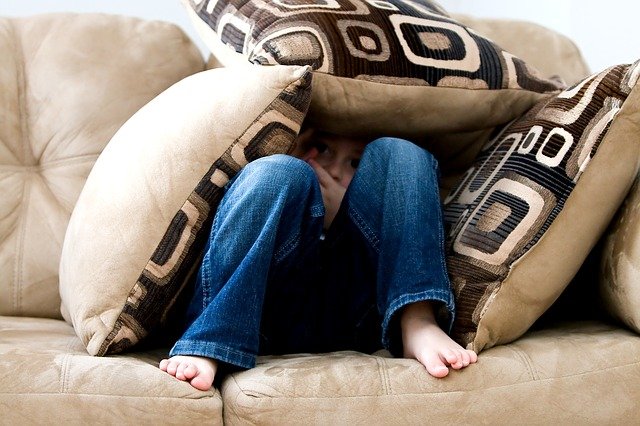
Attention and concentration problems are often considered a plague of the modern era, and for that reason they are not explicitly mentioned in classical Chinese medicine literature. However, thanks to the wisdom of Chinese medicine, it is able to provide practical solutions to this challenge as well, with these solutions based on the ancient foundations and tools of Chinese medicine, but directed toward a path that also addresses more modern problems, such as attention and concentration problems. If we look at acupuncture, for example, which was used in China even before the second century BCE, we find that this school of Chinese medicine (which is quite ancient, by all accounts) also provides an effective response and solution to modern problems — those same attention and concentration problems considered one of the main causes of difficulty concentrating, learning problems, and difficulty controlling reactions.
What are attention and concentration problems?
Attention and concentration problems are divided into two main groups: “pure” attention deficit disorder (ADD – Attention Deficit Disorder) and attention deficit hyperactivity disorder (ADHD – Attention Deficit and Hyperactivity Impulsivity Disorder). The first is a neurological syndrome characterized by problems with concentration and memory due to distraction, a “disconnect” in the continuity of attention, and an inability to maintain focus and attention over time. Those with ADHD experience the same attention and concentration problems as those with ADD, plus restlessness that may show up as excessive talking or excessive movement, difficulty with self-restraint and following instructions, a lower-than-usual frustration threshold, interpersonal communication problems, impulsivity, and a lack of full awareness of dangerous situations.
Although both of these disorders (which together belong to the same “family” of challenges that keep children, teens, and adults from reaching their full potential) are seemingly considered “modern,” and there is no doubt that they are becoming more common, especially against the backdrop of the many technologies and platforms we are exposed to today, the response that acupuncture offers is far more effective and healthy than all those industrially manufactured medications routinely prescribed today with a wave of the hand by “traditional” family doctors.
What is acupuncture and how does it help with these problems?
It is impossible to talk about attention and concentration problems and acupuncture without devoting a few words to the conventional medications prescribed to those who suffer from them. Drugs such as Ritalin, Concerta, Attent (Adderall), Focalin, Vyvanse, Daytrana, Atomoxetine, and similar medications, each of which attacks the problem from a different angle, do claim to treat attention and concentration problems with relative success, but they come with a fairly long list of possible side effects, and even just one of them can be enough to make the price the user pays not worth it.
Acupuncture is one of several treatments that fall under the category of calming the mind in Chinese medicine, and at the Machat Ruach clinic, treatment for attention and concentration problems combines it with two additional means – touch and conversation. The touch element is ‘Tuina,’ considered one of the primary touch-based methods in Chinese medicine, and its purpose is to release the patient’s muscle tension, relax the body, and help the patient feel calmer before receiving acupuncture. In most cases, after the conversation and the Tuina session, the person’s mind becomes clearer and calmer, and the body feels more ready and receptive to the acupuncture needles.
The acupuncture itself at the Machat Ruach clinic is performed on three acupuncture points – points related to the lungs (due to their control over the body’s energy system), points related to the heart (linked to physical function, awareness, consciousness, and attention disorders), and points related to the kidneys (linked to our genetic makeup, which, in many cases, is what shapes our future).
In addition to acupuncture treatment, there are other measures that those suffering from attention and concentration problems can take to overcome them, such as proper nutrition and avoiding “dead” food (processed, preserved, or chemical-laden food), using mindset techniques (such as “mindfulness”), and practicing physical techniques such as Qi Gong, yoga, and meditation.
You can read the full article on the Makor Rishon website, written by Tzvika Klein, in which he covers our clinic in Jerusalem
To read the article – In Chinese medicine there is no ‘attention disorder,’ but they know how to calm the mind