Can’t Sleep? How Acupuncture Restored Calm, Natural Sleep
Difficulty falling asleep, frequent waking in the middle of the night and ongoing fatigue are very common complaints that often affect concentration, mood and daily functioning. Acupuncture has been used for many years as a treatment tool for sleep problems, and research supports its ability to help calm both body and mind. Below is an […]

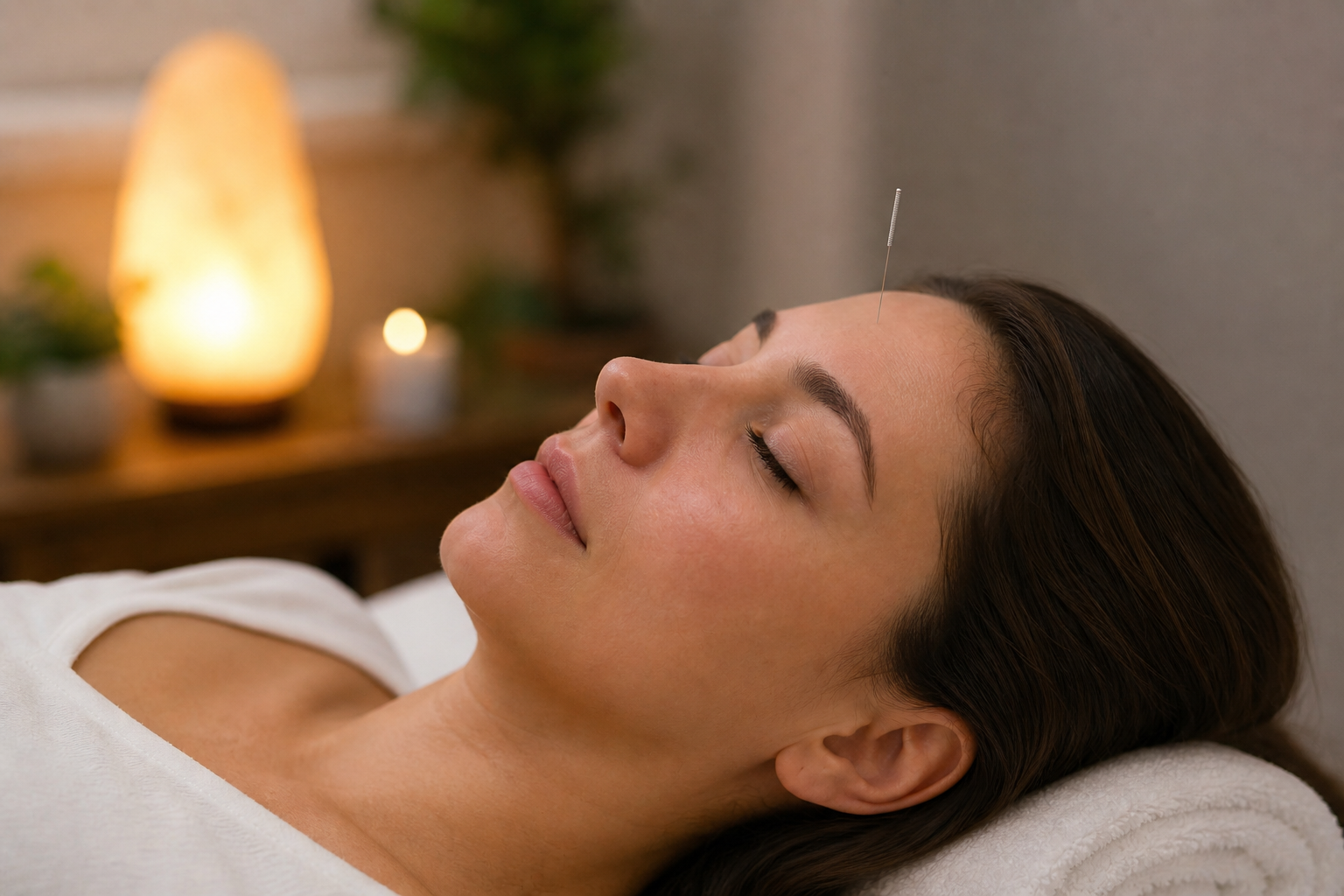
Difficulty falling asleep, frequent waking in the middle of the night and ongoing fatigue are very common complaints that often affect concentration, mood and daily functioning. Acupuncture has been used for many years as a treatment tool for sleep problems, and research supports its ability to help calm both body and mind. Below is an overview of the connection between sleep, stress and the body, along with a case story that illustrates how a course of treatment can change sleep quality.
When sleep does not come
For many people, sleep is difficult not because of tiredness, but because the mind keeps racing and the body stays on alert even in bed. The night turns into a long struggle, and the morning begins already in a state of exhaustion. Chronic lack of sleep affects concentration, lowers energy levels and creates a heavy feeling in the body, to the point of real damage to quality of life.
The link between stress and sleep
Emotional stress directly affects the ability to fall asleep and maintain continuous sleep, because the body struggles to shift into a state of true rest while it remains “on alert.” Chinese medicine views this as an imbalance between the body’s systems, and directs treatment toward helping the nervous system relax so the body can settle into deeper, more continuous sleep.
How acupuncture helps with sleep
Acupuncture works by calming the nervous system, balancing the body’s energy and improving blood flow, which helps the body shift more easily into a state of rest. Research, such as that summarized on the NCCIH website, points to the effect of acupuncture on sleep and on general calming of the body. Treatment is personalized for each patient, according to their specific pattern and the factors contributing to their sleep difficulties.
Case story: from sleepless nights to deep sleep
A patient who struggled with ongoing fatigue and difficulty falling asleep tried several methods to improve his sleep, but the improvement was only temporary and the problem kept returning. After deciding to try acupuncture for sleep problems, the first session was calm and precise, and his body began to relax even during the treatment itself. Gradually he fell asleep faster, waking episodes decreased and his sleep became deeper, until he regained an energy and concentration he had not felt in a long time.
Additional tips for better sleep
Alongside acupuncture treatment, a few simple habits can support the improvement process for sleep.
- Keeping consistent bedtime and wake-up hours
- Avoiding screens and bright light before bed
- Reducing caffeine intake in the afternoon and evening
- Creating a consistent calming routine before sleep
Combining these habits with professional treatment increases the chances of a stable, long-term improvement in sleep quality.
Treatment in Jerusalem and Ramat Gan
Shai Davids treats with a deep and precise approach, seeing patients at both the Jerusalem clinic and the Ramat Gan clinic. Many patients dealing with sleep difficulties report significant improvement, which is why it is important to choose an experienced practitioner familiar with the nuances of treatment in this area.
Book a Treatment
Shai Davids brings over twenty years of experience treating sleep problems and other conditions through Chinese medicine, and tailors treatment individually to each patient’s needs. If you too are dealing with difficulty falling asleep or broken sleep, now is the time to get in touch and schedule an initial consultation.